
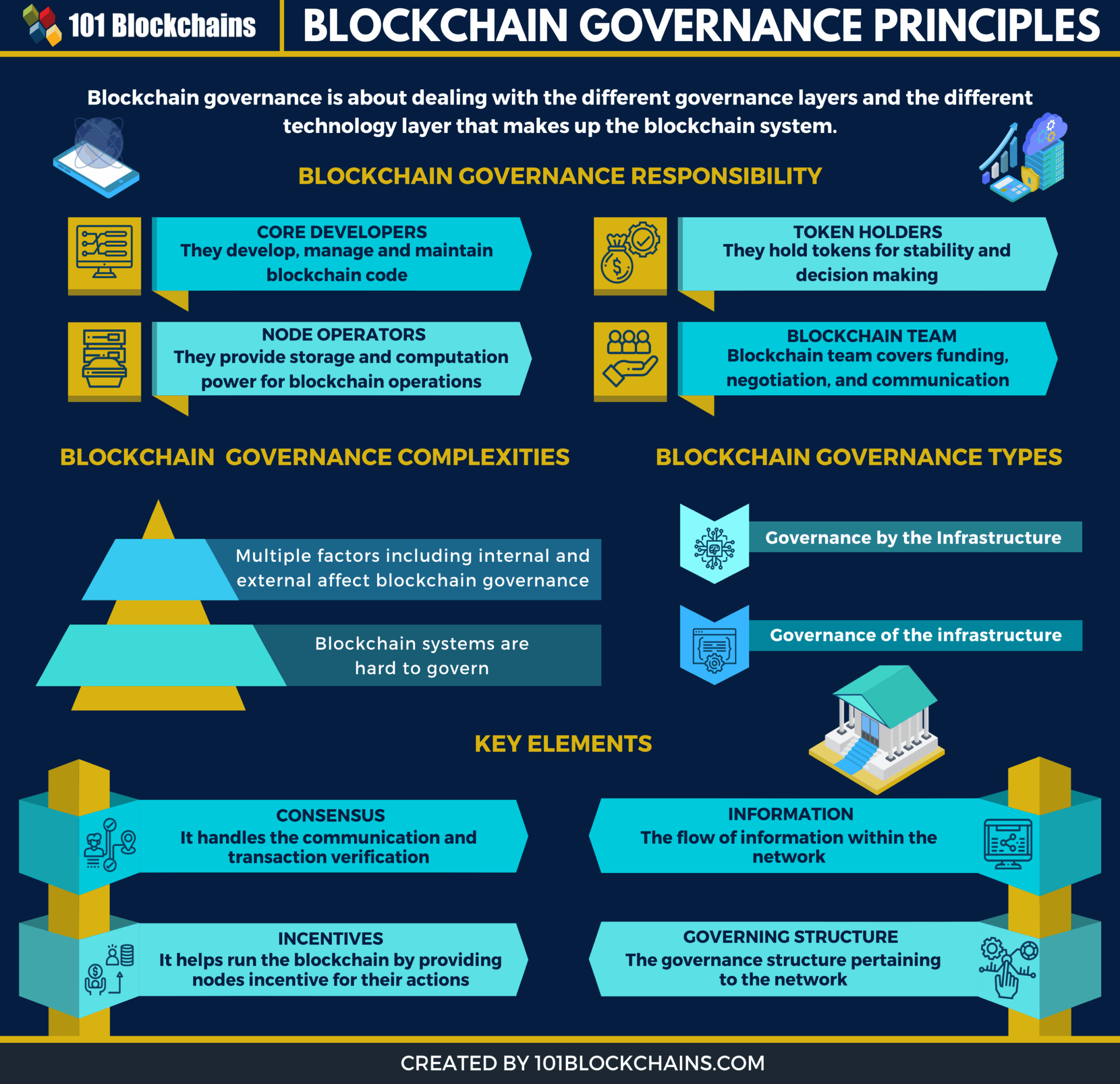
Ever wondered why some blockchain projects feel like a well-oiled machine while others descend into chaos? It’s all about how they handle the reins—governance, my friend. Picture this: you’re at a backyard barbecue, and everyone’s got a say on what to grill next. That’s basically blockchain governance in a nutshell, but with digital stakes that could change the world. Today, we’re diving into the ins and outs of blockchain governance models, keeping it chill and straightforward, like chatting over coffee.
In blockchain governance, decisions about protocol updates, fund allocations, and community rules are made through decentralized mechanisms to ensure fairness and security. Key models include on-chain voting in DAOs, where token holders participate directly, and off-chain forums that blend discussion with formal proposals. This setup helps maintain network integrity while adapting to new challenges, making governance essential for sustainable blockchain ecosystems.
Let’s break it down further. At its core, blockchain governance is about who gets a vote and how that vote shapes the network. It’s not just techie stuff; it’s human dynamics wrapped in code. I remember stumbling upon my first DAO project—it was like joining an online book club, but instead of picking novels, we were deciding on software upgrades. That personal dabble showed me how these models can empower everyday folks, turning passive users into active participants.
How to Begin with BlockchainThe Basics of Blockchain Governance
Governance in blockchain isn’t as rigid as corporate boardrooms; it’s more fluid, adapting to the decentralized ethos. Think of it as a digital democracy where consensus mechanisms like Proof of Stake or Proof of Work play referee. These aren’t just buzzwords—they’re the foundation that prevents any single entity from hijacking the system. From my perspective, it’s fascinating how something so abstract can mirror real-world politics, but without the endless debates.
Different chains handle this in unique ways. For instance, Bitcoin’s governance is mostly informal, relying on developer consensus and community feedback through forums. It’s relaxed, almost passive, which works for a “set-it-and-forget-it” cryptocurrency. Contrast that with Ethereum, which has evolved into a more structured approach with on-chain upgrades via hard forks. This variety keeps things interesting, showing that one size doesn’t fit all in the blockchain world.
Exploring Popular Governance Models
When we talk models, we’re looking at tools like DAOs, which stand for Decentralized Autonomous Organizations. These are basically self-governing entities run by smart contracts—imagine a robot assistant that handles votes and executes decisions without human bias. It’s not perfect; glitches can happen, like that time a DAO got hacked and lost millions, but it’s a step toward true decentralization.
Another angle is off-chain governance, where discussions happen on platforms like Discord or GitHub before formalizing votes. This hybrid model blends the best of both worlds, allowing for nuanced debates that on-chain systems might miss. I’ve seen memes about this on Twitter, comparing it to online petitions that actually lead to change. It’s a reminder that governance isn’t just code; it’s about building community trust.
Blockchain Basics Explained| Model | Key Features | Pros | Cons |
|---|---|---|---|
| On-Chain Voting (e.g., DAOs) | Direct token-based decisions via blockchain | Transparent and immutable records | Can lead to voter apathy if participation is low |
| Off-Chain Governance | Discussions and proposals outside the chain | Allows for detailed input and flexibility | Risk of centralization through influential voices |
| Hybrid Models | Combines both on and off-chain elements | Balances speed and inclusivity | Complexity in implementation |
This table isn’t just for show—it’s a quick way to grasp how these models stack up, helping you decide which might suit your blockchain interests.
Challenges and Future Evolutions
Of course, no system is flawless. Governance models face hurdles like scalability issues or power imbalances, where whales (big token holders) sway votes. It’s a bit like that friend who always picks the movie—frustrating, but fixable with better incentives. In my experience, projects that encourage diverse participation, like through quadratic voting, tend to thrive longer.
Looking ahead, we’re seeing innovations like soulbound tokens or AI-assisted decision-making that could revolutionize governance. It’s exciting, almost like upgrading from a flip phone to a smartphone. These trends point to a more inclusive future, where blockchain governance isn’t just for techies but for anyone curious about shaping digital economies.
Wrapping Up with a Thought
As we wrap this up, consider how these governance models could influence your next crypto venture—maybe even spark you to join a DAO and voice your ideas. It’s not just about the tech; it’s about creating spaces where innovation flourishes without the old guard pulling strings. Who knows, your input might just be the key to the next big blockchain breakthrough.
Smart Contracts: A Deep DiveFAQ
What is a DAO and how does it work? A DAO is a decentralized group run by smart contracts, allowing members to vote on decisions using their tokens. It’s like a member-owned club where code enforces the rules, making it transparent and resistant to tampering.
How does governance impact blockchain security? Effective governance ensures that updates and changes are community-approved, reducing risks of attacks or forks. Poor governance, however, can lead to vulnerabilities, as seen in past exploits where decisions were rushed.
Are all blockchain governance models the same? No, they vary widely; some are fully on-chain for immediacy, while others use off-chain methods for deeper discussions, depending on the project’s needs and community size.
Top Blockchain Wallets Reviewed