
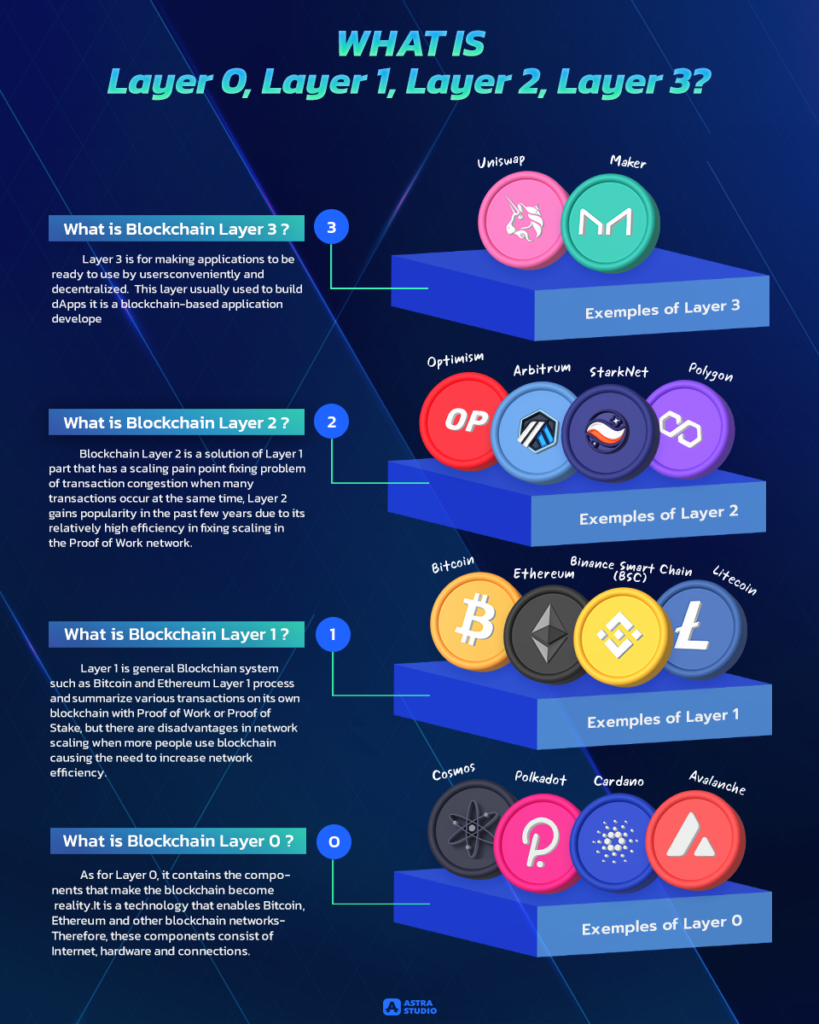
Ever wondered why blockchain feels like that onion in your kitchen—peel back one layer, and there’s always another waiting? Yeah, I’m talking about blockchain layers, the unsung heroes that keep this tech world spinning without a hitch. As someone who’s dived into crypto rabbit holes more times than I’d care to admit, I’ve seen how these layers turn a simple idea into a powerhouse. Let’s unpack this together, casually, like we’re grabbing coffee and chatting about the future of money and data.
At its core, blockchain layers are the building blocks that make the whole system tick. Imagine you’re stacking Legos; each layer adds functionality, security, and scalability to the base structure. The main question you’re probably asking is: What exactly are these layers, and why should I care? Well, in about 50 words, blockchain layers refer to the different levels of protocol and infrastructure that enable decentralized networks to operate efficiently. From the foundational ledger to advanced smart contract platforms, they ensure transactions are secure, fast, and adaptable—think of it as the tech’s secret sauce for real-world use.
Diving deeper, let’s break it down with some real talk. The first layer, often called Layer 1, is the backbone—it’s where the magic starts. This is your Bitcoin or Ethereum network, handling the basic consensus mechanisms like proof-of-work or proof-of-stake. Without it, everything else crumbles. I remember the first time I tried mining on a Layer 1; it was like waiting for water to boil, exciting but painfully slow. That’s why innovations like sharding and upgrades are popping up, making these layers more efficient for everyday use.
Unwrapping the Layers: From Basics to Bells and Whistles
Okay, so Layer 1 is the foundation, but what about the rest? Think of Layer 2 as the turbo boost—solutions built on top of Layer 1 to handle more traffic without bogging down the main chain. Rollups, sidechains, and state channels are the stars here. For instance, Ethereum’s Layer 2 solutions like Optimism or Arbitrum cut down on gas fees and speed up transactions, making it feel less like a clogged highway and more like a smooth cruise. It’s wild how these layers evolve; it’s almost like watching a startup scale up overnight.
Insights into Blockchain Governance ModelsThen there’s Layer 0, the under-the-hood stuff that not everyone talks about. This is the internet infrastructure itself—protocols like TCP/IP that allow blockchains to connect globally. Without Layer 0, your fancy decentralized apps are just isolated islands. I once geeked out over a meme comparing Layer 0 to the roots of a tree; without them, the whole blockchain tree topples. It’s a neat way to visualize how everything interconnects in this digital ecosystem.
Why Should You Care About These Layers?
Here’s the thing: blockchain layers aren’t just tech jargon; they’re game-changers for scalability, security, and innovation. In a world where crypto crashes and booms like a rollercoaster, understanding layers helps you navigate the ups and downs. For example, if you’re into NFTs or DeFi, Layer 2 solutions can save you from eye-watering fees, letting you actually enjoy the ride instead of stressing over costs. Plus, as regulations tighten, layers provide flexibility—it’s like having multiple escape routes in a heist movie.
Let’s get practical. Suppose you’re building a dApp; knowing your layers means choosing the right one for your needs. A Layer 1 might be rock-solid for security, but Layer 2 could be your go-to for speed. And don’t forget interoperability—projects like Polkadot act as bridges between layers, fostering a more connected web. It’s inspiring how this tech draws from everyday life, like how social media layers content for better user experience, but on steroids for finance and data.
Real-World Examples and Comparisons
To make this relatable, let’s look at some comparisons. Imagine blockchain layers as the floors of a skyscraper: Layer 1 is the ground floor, sturdy and essential, while Layer 2 is the penthouse with all the perks. Here’s a quick table to visualize it:
How to Begin with Blockchain| Layer | Main Function | Examples | Pros |
|---|---|---|---|
| Layer 0 | Underlying infrastructure | TCP/IP, internet protocols | Global connectivity, foundational |
| Layer 1 | Core blockchain network | Bitcoin, Ethereum | High security, decentralization |
| Layer 2 | Scalability enhancements | Arbitrum, Lightning Network | Faster transactions, lower costs |
This setup shows how layers build on each other, creating a robust system. It’s not perfect—there are trade-offs, like sacrificing some decentralization for speed—but that’s the beauty of blockchain: it’s evolving.
Exploring Further: Tips to Dive In
If you’re itching to explore, start small. 1Begin by reading up on Ethereum’s upgrades, which highlight Layer 1 and 2 interactions. 2Experiment with a testnet to see layers in action—it’s like playing a video game before the real deal. And 3join online communities; forums are goldmines for layer-specific insights, blending tech talk with real-user stories.
As we wrap up this laid-back tour, think about how blockchain layers could reshape your digital life—maybe even inspire your next project. What if you used this knowledge to build something that bridges worlds? It’s out there, waiting for curious minds like yours.
FAQ: Quick Answers on Blockchain Layers
What is the difference between Layer 1 and Layer 2? Layer 1 is the primary blockchain for core operations, while Layer 2 adds efficiency on top, like faster transactions without altering the base layer.
Blockchain Basics ExplainedAre blockchain layers secure? Yes, but security depends on the layer; Layer 1 is highly secure due to consensus, while Layer 2 inherits that and adds its own measures for scalability.
How can I learn more about layers? Start with resources like Ethereum’s docs or community forums to get hands-on with real examples and discussions.