
Ever tried juggling while riding a bike? That’s kinda what day trading feels like at first—exhilarating, a bit wobbly, and oh-so-easy to tip over if you’re not careful. I remember my own early days, staring at stock charts like they were ancient hieroglyphs, wondering if I’d ever crack the code. But hey, if I can go from total newbie to feeling somewhat steady, you can too. Let’s dive into the essential basics of day trading, keeping things chill and straightforward, because who needs added stress when you’re already dealing with market mood swings?
Essential day trading basics boil down to understanding the core elements that keep you afloat in the fast-paced world of intraday trading. For beginners, it’s about building a solid foundation without overwhelming yourself. Think of it as learning to swim in a pool before tackling the ocean—start small, stay safe, and gradually build confidence. In essence, you’ll need to grasp market basics, simple strategies, and smart risk management to trade effectively without losing your shirt on the first go.
Picture this: You’re at a bustling flea market, scanning for deals that pop up and vanish in minutes. That’s day trading in a nutshell—buying and selling financial instruments like stocks, forex, or cryptocurrencies within the same day, aiming to profit from short-term price fluctuations. Unlike long-term investing, where you’re in it for the long haul, day trading thrives on quick decisions and even quicker exits. It’s not about predicting the next big tech boom; it’s about catching the wave of today’s market vibes. I once jumped in thinking it was all about luck, only to learn it’s more like a strategic game of chess, where timing and patience win the day.
The Building Blocks: What You Need to Know First
Before you fire up that trading app, let’s cover the fundamentals. Markets move based on a mix of news, economic data, and plain old human emotion—ever seen a stock spike just because a celebrity tweeted about it? That’s the wild side of trading. You’ll want to familiarize yourself with key tools like stock charts, which are basically roadmaps showing price trends, and platforms like Thinkorswim or Robinhood that make buying and selling a breeze. Oh, and don’t forget about order types: market orders for instant trades or limit orders to set your price boundaries. It’s like choosing between sprinting ahead or pacing yourself in a race.
Top Forex Trading Strategies ExplainedA cool cultural nugget here—remember that meme about the stock market being a casino? It’s half-true, but with the right basics, you can tilt the odds in your favor. Start by watching market hours; in the US, it’s mainly 9:30 AM to 4:00 PM ET, when things get lively. And yeah, always keep an eye on volatility—those big price swings can be your best friend or worst enemy, depending on how you play it.
Simple Strategies to Get You Started
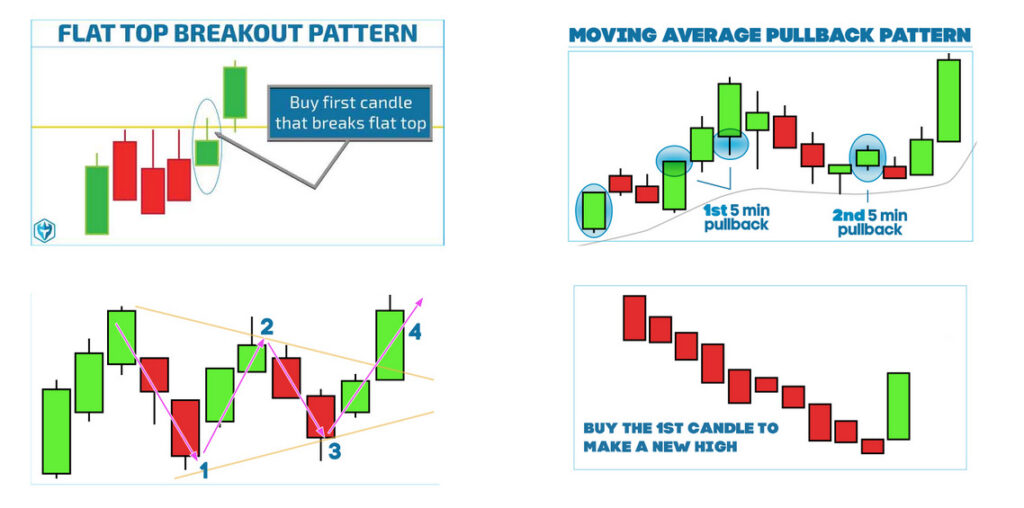
Alright, let’s talk strategies without getting too textbook-y. For beginners, sticking to basics like trend following or breakout trading can feel like second nature. Trend following means hopping on a stock that’s steadily climbing, riding the wave until it starts to crest. Breakout trading? That’s when you spot a stock breaking through a key price level, like a runner bursting from the blocks. I once used a simple moving average crossover—where a short-term line crosses a long-term one—to catch a nice gain on a tech stock, and it was as satisfying as nailing a perfect coffee order.
To keep it varied, mix in some scalping, which involves making tons of tiny trades for small profits throughout the day. It’s fast-paced, almost like playing a video game, but remember, it requires laser focus. Here’s a quick table to compare a couple of strategies, because visuals help when you’re just starting out:
| Strategy | Best For | Potential Risks |
|---|---|---|
| Trend Following | Catching ongoing movements | Market reversals can flip gains to losses |
| Breakout Trading | Volatile stocks with clear patterns | False breakouts might lead to quick losses |
This isn’t exhaustive, but it gives you a relaxed way to see how each fits your style. Experiment with demo accounts first; it’s like practicing guitar riffs before a gig.
Common Stock Trading Mistakes to AvoidKeeping It Real: Risk Management Essentials
Now, let’s get serious for a sec—risk management isn’t the boring part; it’s your safety net. Always set stop-loss orders, which automatically sell your position if it drops to a certain price, saving you from deeper dives. A good rule? Never risk more than 1-2% of your capital on a single trade. I learned this the hard way after a bad call on a crypto dip that ate into my funds, but hey, it taught me to treat trading like a marathon, not a sprint.
Emotional control is huge too. Markets can swing like a pendulum, influenced by everything from global events to social media buzz. Use metaphors to stay grounded: Think of your portfolio as a garden—you wouldn’t water every plant at once, right? Prioritize and protect what matters. Diversifying across a few assets can soften blows, making your trading journey less of a rollercoaster.
Steps to Dive In Without Sinking
Ready to take the plunge? Here’s how to get started, broken down nice and easy:
1Educate yourself: Spend time reading books like “Day Trading for Dummies” or online courses to build your knowledge base.
2Open a brokerage account: Choose one with low fees and user-friendly tools, then fund it with what you can afford to lose—treat it like pocket money, not your life savings.
Effective Options Trading Ideas for Profits3Practice with simulations: Use paper trading to test strategies risk-free, refining your approach before real money enters the picture.
4Start small and scale up: Begin with a few trades a day, analyzing what works and what doesn’t, then gradually increase as you gain confidence.
This step-by-step keeps things relaxed, turning potential overwhelm into manageable fun.
Wrapping Up with a Thoughtful Nudge
As we wrap this up, imagine looking back on your first successful trade— that rush of “I got this!”—it’s what keeps traders coming back. So, what’s your next move? Will you dip your toes in today or keep dreaming about it? Either way, remember, day trading is as much about personal growth as it is about profits. Here’s to turning those basics into your own success story, one trade at a time.
Swing Trading Benefits and DrawbacksFAQ: Quick Answers to Common Questions
How much money do I need to start day trading? You can begin with as little as $500 to $1,000, but focus on building skills first rather than rushing in with big bucks—it’s about smart plays, not deep pockets.
Is day trading suitable for everyone? Not really; it demands time, discipline, and a tolerance for risk. If you’re in it for quick fun, pair it with other interests to keep things balanced.
What’s the biggest mistake beginners make? Overtrading or ignoring stop-losses—treat each move like a calculated bet, not a gamble, to avoid unnecessary losses.