
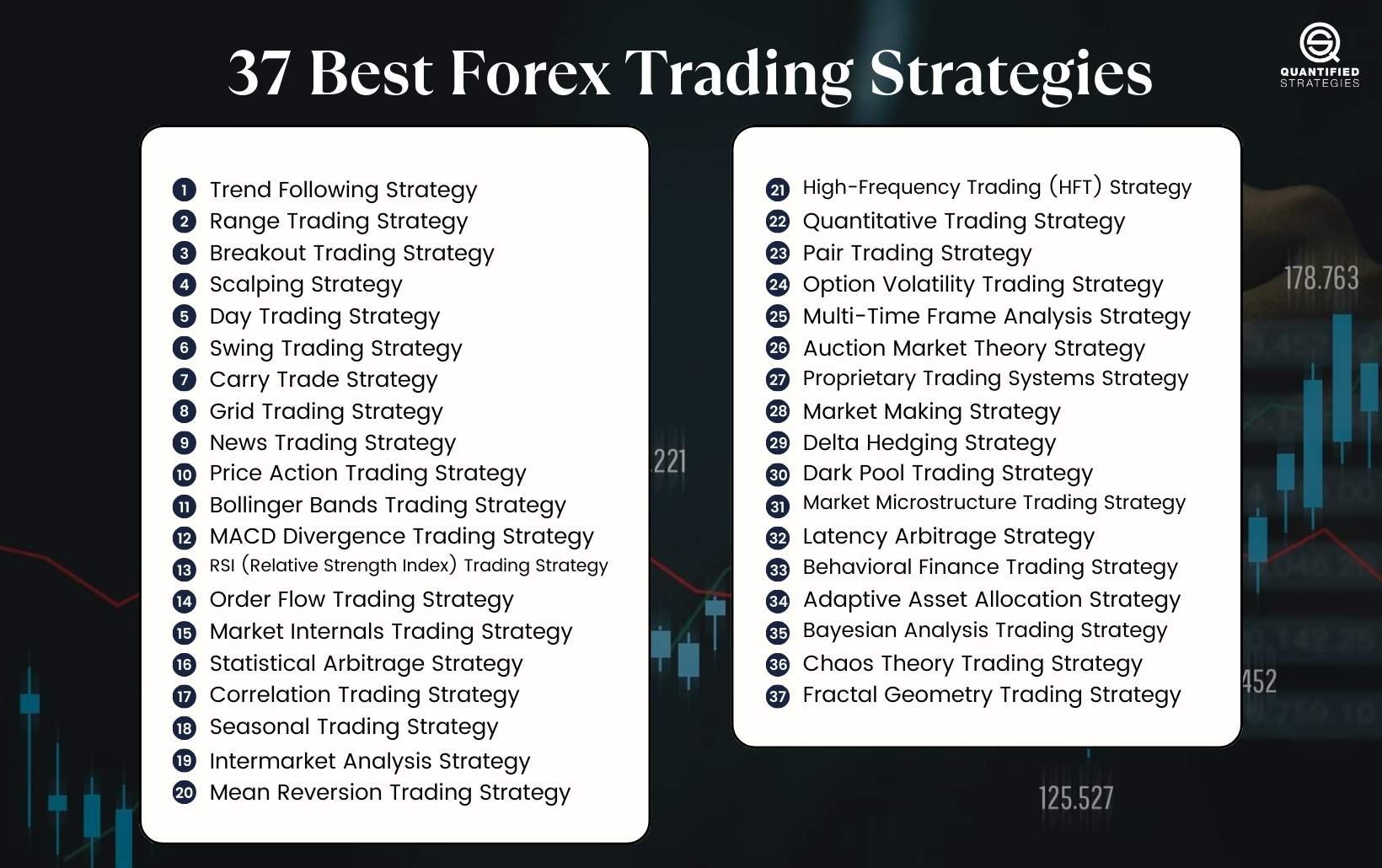
Ever tried navigating the wild world of Forex trading and felt like you were deciphering an ancient code? I remember my first foray into it—sipping coffee at dawn, staring at charts that looked more like abstract art than anything profitable. It was messy, exciting, and full of lessons. But hey, that’s the beauty of it; with the right strategies, you can turn those squiggly lines into real opportunities. Today, we’re diving into the top Forex trading strategies, breaking them down in a laid-back way that feels like chatting over coffee, not a stuffy lecture.
The core of successful Forex trading lies in picking strategies that match your style and risk tolerance. If you’re wondering what the best approaches are, let’s cut to the chase: strategies like scalping, day trading, and swing trading stand out as favorites among traders. These methods help you capitalize on currency fluctuations without losing your shirt, focusing on timing, analysis, and a dash of intuition. In essence, it’s about making informed moves in the 24/7 Forex market to build steady gains—think of it as surfing waves instead of fighting the tide.
Diving deeper, let’s start with the basics because, let’s face it, even the pros began as newbies. Forex, or foreign exchange, is essentially buying and selling currencies to profit from their value changes. It’s a global playground where the euro might tango with the dollar, influenced by everything from economic news to geopolitical vibes. I once caught a big move by watching how a simple tweet from a world leader shook the markets—it’s that interconnected. Now, onto the strategies that can make your trading journey smoother and more fun.
Scalping: Quick Wins in a Fast-Paced World
Picture this: you’re in and out of trades in minutes, snagging tiny profits that add up like collecting loose change. That’s scalping for you—a strategy perfect for those who thrive on adrenaline. It involves making multiple trades daily, focusing on small price gaps using technical indicators like moving averages or RSI. Why does it work? Because in Forex, even a pip or two can multiply with leverage. But remember, it’s not for the faint-hearted; one bad tick can erase gains faster than you can say “stop-loss.” If you’re starting out, try practicing on a demo account to get the hang of it without real risk.
Common Stock Trading Mistakes to AvoidFrom my own experiments, scalping taught me discipline—set strict exit points and stick to them. It’s like speed dating in the trading world: quick decisions lead to more chances. Pair this with a solid broker that offers low spreads, and you’re set. Oh, and don’t ignore the news calendar; events like Fed announcements can turn a calm sea into a storm.
Swing Trading: Riding the Waves Without the Rush
If scalping feels too hectic, swing trading is like that chill road trip where you enjoy the scenery. This strategy holds positions for days or weeks, capitalizing on broader market swings based on trends and patterns. Tools like Fibonacci retracements or support/resistance levels become your best friends here. I recall analyzing a EUR/USD chart during a quiet weekend, spotting a classic head-and-shoulders pattern that paid off handsomely when the trend reversed.
What makes swing trading accessible is its flexibility; you don’t need to stare at screens all day. Blend in some fundamental analysis—keep an eye on interest rates or GDP reports—and you’ve got a strategy that balances risk and reward. It’s reminiscent of how memes go viral on social media; timing the hype can lead to big wins, but misjudge, and you’re left out in the cold.
Day Trading: The Daily Grind with Potential Rewards
Now, day trading is that reliable routine, opening and closing positions within the same day to avoid overnight risks. It’s all about volatility, using strategies like breakout trading or mean reversion. For instance, if a currency pair breaks out of a range, you jump in, hoping for a momentum surge. I’ve had days where a simple candlestick pattern signaled a breakout, turning a mundane morning into a profitable one.
Effective Options Trading Ideas for ProfitsTo keep it real, day trading demands focus and emotional control—think of it as a mental workout. Use indicators like MACD for momentum and avoid overtrading by setting daily limits. It’s like binge-watching your favorite show; know when to stop to prevent burnout. Plus, in the era of remote work, blending this with your schedule can be a game-changer.
Advanced Tips and Tricks for Forex Success
Alright, let’s mix things up with some practical advice. First off, always start small—test strategies on a demo platform to build confidence. Diversify your portfolio; don’t put all your eggs in one currency basket. And here’s a quirky tip: journal your trades like a digital diary. I do this, noting what worked and what didn’t, which has helped me refine my approach over time. It’s like learning from your own life’s highlights reel.
If you’re feeling bold, consider a comparative table of these strategies to see which fits you best:
| Strategy | Time Frame | Risk Level | Best For |
|---|---|---|---|
| Scalping | Minutes | High | Active traders |
| Swing Trading | Days to Weeks | Medium | Part-time enthusiasts |
| Day Trading | Intra-day | Medium-High | Daily focused individuals |
One more thing: manage your emotions. Trading isn’t just numbers; it’s psychology. Avoid the FOMO trap—fear of missing out—by sticking to your plan. In a world obsessed with viral trends, remember that steady progress beats flashy failures.
Swing Trading Benefits and DrawbacksFrequently Asked Questions
What is the best Forex strategy for beginners? For newcomers, swing trading is often ideal as it allows time to learn without constant monitoring. Start with educational resources and practice to build skills gradually.
How much money do I need to start Forex trading? You can begin with as little as $100 on some platforms, but aim for at least $500 to trade effectively and cover spreads. Focus on risk management from day one.
Can Forex trading be a full-time career? Absolutely, but it requires dedication, continuous learning, and emotional resilience. Many traders combine it with other income sources initially, turning it into a viable path over time.
As we wrap up this chat, think about what excites you most in the markets—maybe it’s the thrill of a quick scalp or the satisfaction of a well-timed swing. Whatever it is, dive in with curiosity and caution; your trading adventure awaits, ready to surprise and reward.
Crypto Trading Tools Comparison Guide