
Ever felt like you’re trying to navigate a bustling marketplace blindfolded, desperately waving your arms to grab the best deals? That’s what trading can feel like when you’re new to the game, especially with all those order types flying around. I’m no wizard, but as someone who’s spent way too many late nights staring at stock charts, I can tell you that understanding market order types is like finally getting a map in that chaotic bazaar. It’s not just about buying low and selling high; it’s about doing it smartly without turning your portfolio into a rollercoaster ride.
Let’s cut to the chase: market order types are the tools that let you execute trades quickly and efficiently in the fast-paced world of trading. In a nutshell, they help you decide how and when your buy or sell commands hit the market, whether you’re aiming for instant action or a bit more control. This guide will break it all down in a relaxed way, so you can feel confident the next time you log into your trading app. (And trust me, once you get this, you’ll wonder how you ever traded without it.)
Picture this: you’re at a flea market, eyeing that vintage record you’ve been hunting for. A market order is like shouting, “I’ll take it right now at whatever price!” It’s straightforward, no fuss, but it might cost you more if the crowd’s bidding up the price. On the flip side, other order types are like saying, “Hold on, I want it for no more than $20.” That’s the beauty of trading guides—they turn abstract concepts into everyday scenarios that stick. Now, if you’re scratching your head thinking, “Wait, how do I pick the right one?” don’t worry; we’ll dive into that soon.
The Lowdown on What Market Order Types Really Are
In the trading world, market order types aren’t just jargon; they’re your secret weapons for navigating volatile markets. At their core, these are instructions you give to your broker to buy or sell assets, like stocks or cryptocurrencies, under specific conditions. Why does this matter? Well, imagine you’re trading stocks and the market’s swinging like a pendulum—knowing your options can save you from buyer’s remorse or missed opportunities.
Binary Options Risk AssessmentLet’s keep it light: I remember my first trade, fumbling around like a kid in a candy store. I went with a basic market order because I wanted in fast, but I ended up paying a tad more than expected. Lesson learned—variety is key. There are a few main types, each with its own vibe. A market order executes immediately at the current price, perfect for when time is of the essence. Then there’s the limit order, which sets a price cap, ensuring you don’t overpay. It’s like setting a budget before holiday shopping; smart and stress-free.
Exploring the Key Players in Order Types
Diving deeper, let’s chat about the stars of the show without overwhelming you. First up, the ever-popular market order—quick, simple, and ideal for liquid markets where prices don’t jump around much. But if you’re into more control, a limit order lets you specify the exact price, waiting patiently until the market hits your sweet spot. It’s akin to snagging front-row tickets only if they’re not scalped too high.
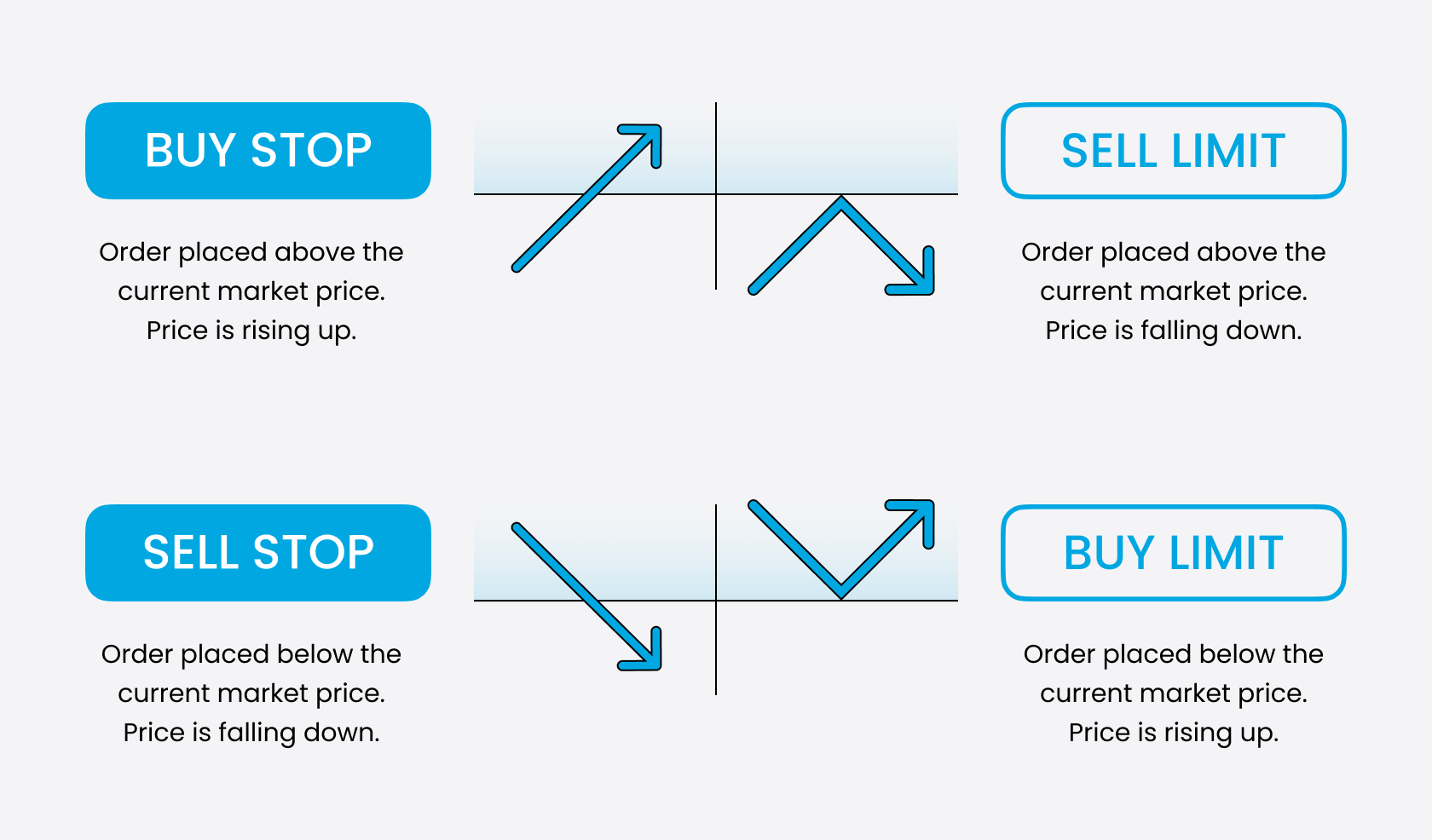
Don’t overlook stop orders, which act as safety nets. A stop-market order triggers a market order once a stock hits a certain price, great for locking in profits or cutting losses. Or try a stop-limit order, a hybrid that combines the two—it’s like having a bodyguard for your investments. To make this even clearer, here’s a quick comparison table to visualize how they stack up:
| Order Type | When to Use | Pros | Cons |
|---|---|---|---|
| Market Order | When you need instant execution | Fast and straightforward | Price might slip in volatile markets |
| Limit Order | To buy or sell at a specific price | Controls cost effectively | May not execute if price doesn’t reach your level |
| Stop Order | For protecting gains or limiting losses | Automates risk management | Can result in less favorable prices |
| Stop-Limit Order | When you want precision with protection | Combines best of both worlds | Risk of not filling if market gaps |
This table isn’t just filler; it’s a real handy reference, especially if you’re building your own trading guides. Think of it as your personal cheat sheet for those “what if” moments.
Scalping Entry and Exit SignalsTips on When and How to Deploy These Orders
Now, let’s get practical—because knowing the types is one thing, but using them wisely is where the magic happens. If you’re day trading, a market order might be your go-to for snatching opportunities in seconds. But for long-term plays, like holding onto blue-chip stocks, a limit order could save you from impulse buys. I once used a stop order during a crypto dip to bail out before things got messy—felt like dodging a bullet in a video game level.
One fun analogy: trading orders are like choosing your weapon in a strategy game. A market order is the rapid-fire gun for quick wins, while a limit order is the sniper rifle for precise shots. Mix it up based on market conditions, and always keep an eye on volatility. Oh, and if you’re just starting out, simulate trades on a demo account first; it’s like practice rounds before the big match.
Pitfalls to Side-Step in the Trading Arena
Even with the best intentions, mistakes creep in—like over-relying on market orders during turbulent times, which can lead to slippage and regret. Or forgetting to set stop limits, turning a small loss into a saga. From my own slip-ups, I’ve learned that blending order types with a dash of patience pays off. It’s not about being perfect; it’s about adapting, like adjusting your sails in a windy sea. Keep your strategy flexible, and you’ll navigate these waters with ease.
FAQs on Market Order Types
What’s the difference between a market order and a limit order? A market order gets filled immediately at the current price, great for speed, while a limit order only executes at your specified price or better, offering more control but potentially delaying the trade.
Trading Journaling for ImprovementAre these order types universal across all trading platforms? Mostly yes, but specifics can vary—always check your platform’s features. For instance, some crypto exchanges might tweak how stop orders work compared to stock brokers.
How do I know which one to use as a beginner? Start simple with market orders to build confidence, then experiment with limits as you learn more about market dynamics. It’s all about matching the tool to your comfort level and goals.
As we wrap up this journey through the trading labyrinth, think about how these order types can turn your next trade into a savvy move rather than a guess. What if you crafted your own strategy mash-up? Go on, give it a whirl—your portfolio might just thank you with a high-five.
AI Integration in Modern Trading