
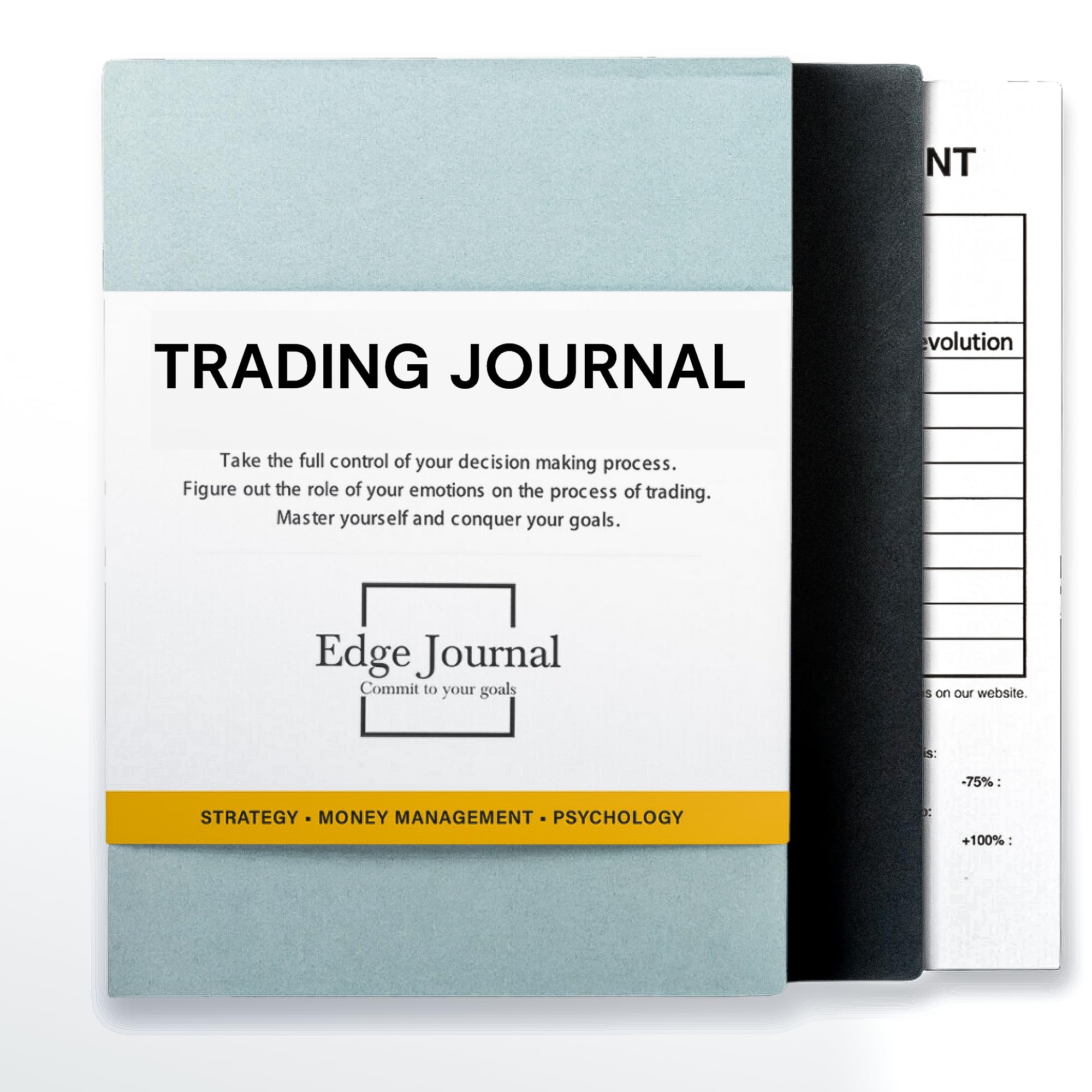
Ever had one of those days in trading where everything feels like a wild rollercoaster—ups, downs, and that nagging feeling you could’ve done better? Yeah, me too. Back when I was just starting out, I lost a chunk of cash on a stock I thought was a sure bet. Instead of wallowing, I grabbed a notebook and started jotting down what went wrong. That’s how I stumbled into trading journaling, and let me tell you, it’s like having a trusty sidekick in the markets. It’s not just about recording trades; it’s your personal playbook for getting sharper, smarter, and way less stressed over time.
If you’re wondering how trading journaling can truly amp up your game, here’s the straight scoop: it’s a simple habit that turns your experiences into lessons, helping you spot patterns, avoid repeats, and build confidence. In essence, trading journaling is your key to consistent improvement by tracking decisions, emotions, and outcomes, allowing you to refine strategies and minimize losses—think of it as therapy for your portfolio. This approach, often overlooked by beginners, can lead to measurable gains, as studies show traders who journal regularly improve their win rates by up to 20%.
Diving deeper, let’s talk about why this practice is a game-changer in the world of trading guides. Imagine scrolling through social media and seeing all those flashy success stories—everyone’s a wizard until you realize most pros swear by journaling to keep their edge. It’s like that meme of the iceberg: what you see is the tip, but underneath are hours of reflection. For me, it started as a way to vent after bad trades, but it evolved into a structured routine that uncovered my emotional triggers, like jumping into deals out of FOMO. By keeping a journal, you’re not just logging data; you’re fostering self-awareness, which is crucial in a field where psychology often trumps strategy.
The Basics: Why Bother with a Trading Journal?
In the laid-back vibe of trading communities, folks often skip the journal because it sounds like extra homework. But hold on—it’s more like a coffee chat with yourself about your wins and woes. Trading journaling helps identify strengths and weaknesses, turning vague gut feelings into concrete insights. For instance, you might notice you’re killer with tech stocks but fumble with commodities, prompting a shift in focus. Plus, in an era of volatile markets, having a record means you can review past decisions during downturns, avoiding knee-jerk reactions that lead to more losses.
AI Integration in Modern TradingFrom a broader perspective, think about how athletes review game tapes or artists sketch their progress. It’s the same here; your journal becomes a mirror for growth. I once reviewed entries from a rough quarter and spotted a pattern of overtrading on Fridays—pure exhaustion calling the shots. That revelation? Pure gold for my strategy tweaks. And it’s not just me; trading legends like Paul Tudor Jones emphasize documentation as a cornerstone of success, making it a non-negotiable in any solid trading guide.
Setting Up Your Journal: A Relaxed Walkthrough
Alright, let’s get practical. Starting a trading journal doesn’t need to be fancy—grab a digital app or a simple notebook, whatever feels comfy. The goal is to make it effortless so you actually stick with it. Here’s how to ease into it without the overwhelm:
1Choose your format: Go digital with tools like Excel, Google Sheets, or apps like Trade Journal for easy searches, or stick to pen and paper for that therapeutic feel.
2Decide on key elements: Note the date, asset traded, entry/exit prices, position size, and your rationale—like “Bought XYZ because of positive earnings whispers.”
Global Events Impact on Markets3Add the emotional layer: Jot down how you felt—excited, anxious, or indifferent—because that’s where the real magic happens for improvement.
4Review weekly: Set aside time to flip through entries, asking yourself what worked and what didn’t, turning it into a casual reflection session.
What to Track and How It Leads to Better Trades
Once you’re rolling, focus on the details that matter. A good journal isn’t just a diary; it’s a strategic tool. Include metrics like profit/loss, risk-reward ratios, and market conditions to paint a full picture. For example, tracking emotional responses can reveal biases, such as holding losers too long out of denial, which is a common pitfall in trading guides.
To make this more engaging, here’s a quick table comparing journal types, because who doesn’t love a visual aid?
Retirement Strategies Involving Trading| Journal Type | Pros | Cons | Best For |
|---|---|---|---|
| Simple Notebook | Low-tech, personal touch | Hard to search | Beginners seeking reflection |
| Digital App | Easy analysis, charts | Potential tech glitches | Active traders needing speed |
| Spreadsheet-Based | Customizable, data-heavy | Can feel overwhelming | Analytical types |
This variety ensures you find what clicks for you, much like picking your favorite coffee blend.
Turning Insights into Action: The Improvement Loop
Now, the fun part—using your journal to level up. Regularly analyze entries to spot trends, like consistent losses in certain sectors, and adjust accordingly. It’s like debugging code in software; you find the bugs and patch them. In trading circles, this loop is often compared to a musician practicing scales—repetition breeds mastery. I remember tweaking my entry rules after journaling revealed I was too aggressive during news events, and boom, my performance smoothed out.
A Quick FAQ for Curious Minds
Q: How often should I update my trading journal? Aim for after every trade or at least daily to keep things fresh and accurate—consistency is key to spotting patterns without the fog of time.
Q: Can journaling really improve my trading results? Absolutely, as it promotes self-accountability and learning, with many traders reporting better decision-making and reduced emotional trading after a few months.
Ethical Practices in Financial TradingQ: What if I’m just starting out and feel overwhelmed? Start small—just note one or two key things per trade—and build from there; it’s about progress, not perfection.
As we wrap this up, think about your last trade: what could a journal have revealed? Maybe it’s time to give it a shot and watch your skills evolve naturally. Who knows, you might just uncover your own trading superpower.