
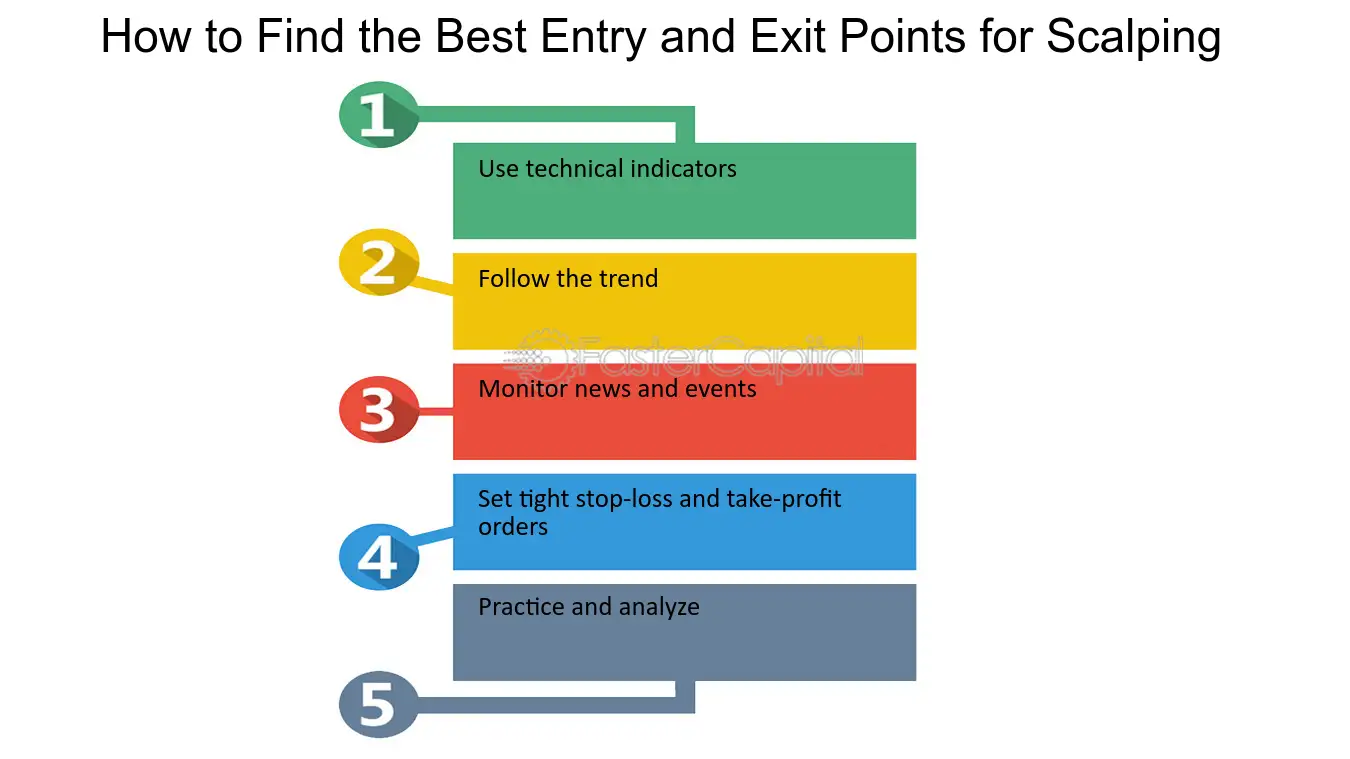
Ever tried chasing a bus just as it’s pulling away, heart pounding and eyes locked on that open door? That’s kinda like scalping in trading – quick, intense, and over in a flash if you play it right. I’m no superhuman trader, but I’ve spent countless hours staring at charts, learning the ropes the hard way. Today, we’re diving into scalping entry and exit signals, keeping things chill and straightforward, like chatting over coffee about your latest market wins or losses.
Scalping entry signals are those fleeting moments when you spot an opportunity to jump in and grab a few pips before the price flips. Imagine you’re at a flea market, eyeing that vintage watch everyone’s overlooking – you swoop in fast, but only if the signs are screaming “buy now!” In the trading world, these signals often come from technical indicators that highlight short-term price movements. For scalpers, who aim to make multiple trades in a single day, timing is everything. A common one is the moving average crossover, where a shorter-term MA darts above a longer one, signaling a potential upward swing. But hey, it’s not foolproof; markets can be as unpredictable as a cat on a hot tin roof.
Let’s get real for a second. I remember my first scalping attempt – I was glued to my screen, watching EUR/USD tick by tick. I used the RSI (Relative Strength Index) as my guide; when it dipped below 30, I saw it as an oversold gem waiting to bounce back. That trade netted me a modest profit, but it taught me that entry signals aren’t just about indicators – they’re about reading the market’s mood through volume spikes or support and resistance levels. If you’re new, start with demo accounts to test these waters without risking your hard-earned cash. It’s like practicing skateboarding in an empty park before hitting the streets.
Diving deeper, another key player is the MACD (Moving Average Convergence Divergence). This one’s like your market’s heartbeat monitor; when the line crosses above the signal line, it’s often a green light for entry. Pair it with candlestick patterns, such as a hammer or engulfing candle, and you’ve got a solid setup. But remember, scalping demands speed – trades might last from seconds to minutes, so use tools like one-minute charts to catch those micro-trends. In a relaxed vibe, think of it as snacking on quick bites rather than a full meal; you want frequent, small wins to build your day.
Trading Journaling for ImprovementMastering the Art of Exit Signals in Scalping
Okay, so you’ve nailed the entry – now, how do you bow out gracefully? Scalping exit signals are your safety net, ensuring you lock in profits or cut losses before the trade turns sour. Picture this: you’re at a concert, and the band’s wrapping up their hit song; you slip out early to beat the crowd. In trading, that means setting clear exit rules based on profit targets or stop-loss orders. For instance, if you entered on a breakout, exit when the price hits a predetermined resistance level or when your trailing stop gets triggered.
One effective method is using the ATR (Average True Range) to set dynamic exits. It’s like having a flexible leash on your dog – it adjusts to volatility, giving you room to breathe in choppy markets. I once ignored this and held a scalping trade too long, watching profits evaporate like morning dew. Lesson learned: always have an exit plan. Bollinger Bands can also signal when to bail; if the price touches the upper band and starts reversing, that’s your cue to sell. Keep it light – scalping isn’t about epic battles; it’s about smart, timely retreats.
Step-by-Step Guide to Implementing Scalping Signals
To make this practical, let’s walk through a simple process. First, 1Choose your asset and timeframe, like forex pairs on a 1-minute chart, to keep things fast-paced.
2Identify entry signals using a combo of indicators, such as RSI below 30 for buys or above 70 for sells, combined with price action.
AI Integration in Modern Trading3Set your exit strategy upfront, like a 1:2 risk-reward ratio, where you aim for twice the profit as your potential loss.
4Monitor and adjust; if the market’s acting funky, don’t hesitate to skip trades. It’s all about discipline, not forcing plays.
Comparing Popular Scalping Indicators
To add some clarity, here’s a quick table comparing a few indicators that can enhance your scalping entry and exit signals:
| Indicator | Best For | Pros | Cons |
|---|---|---|---|
| RSI | Overbought/Oversold Entries | Simple and effective for quick reversals | May lag in strong trends |
| MACD | Momentum Shifts | Provides clear crossovers for entries/exits | Can give false signals in sideways markets |
| Bollinger Bands | Volatility-Based Exits | Adapts to market conditions dynamically | Requires experience to interpret squeezes |
As you can see, mixing these can create a robust strategy, but always test what works for your style. Now, straight to the point: if you’re asking how to spot reliable scalping entry and exit signals, focus on indicators that align with current market volatility, set strict rules, and practice relentlessly – that’s the key to turning quick trades into consistent gains, all while keeping your stress levels low.
Global Events Impact on MarketsWhy Emotional Control Matters in Scalping
Scalping isn’t just about charts; it’s a mental game. Ever binge-watched a series and lost track of time? That’s how addictive trading can be, but without emotional checks, you might chase losses like scrolling through endless memes. Stay relaxed by journaling your trades – it helps you spot patterns and avoid repeating mistakes. Reference something cultural, like how memes evolve rapidly online, mirroring the fast pace of scalping; one viral hit can change everything in seconds.
Wrapping up my thoughts, scalping entry and exit signals are your trading toolkit for snagging those micro-profits, but they demand precision and patience. What if you adapted these signals to your daily routine, turning market noise into your personal symphony?
FAQ on Scalping Signals
What is scalping in trading? Scalping is a strategy where traders make dozens of short-term trades to profit from small price changes, often holding positions for minutes or less, focusing on high-liquidity markets like forex.
How can beginners start with scalping? Beginners should use demo accounts to practice with indicators, develop a simple strategy, and gradually scale up as they gain confidence, always prioritizing risk management.
Retirement Strategies Involving TradingAre scalping signals reliable? They’re as reliable as your setup and market conditions allow; combining multiple indicators boosts accuracy, but no signal is foolproof, so always use stops to protect your capital.