
Ever stumbled upon a crypto chat and heard folks tossing around “coins” and “tokens” like they’re chatting about spare change in their pocket? I remember my first dive into blockchain—it felt like trying to decipher an alien language. Picture this: I’m at a coffee shop, overhearing a conversation about Ethereum tokens, and I’m just sitting there with my latte, thinking, “Wait, isn’t that the same as Bitcoin coins?” Spoiler: It’s not, and that’s where the fun begins. Today, we’re going to chill out and unpack tokens and coins in blockchain in a way that feels like a laid-back guide, not a stuffy textbook. Let’s demystify this together, one easy step at a time.
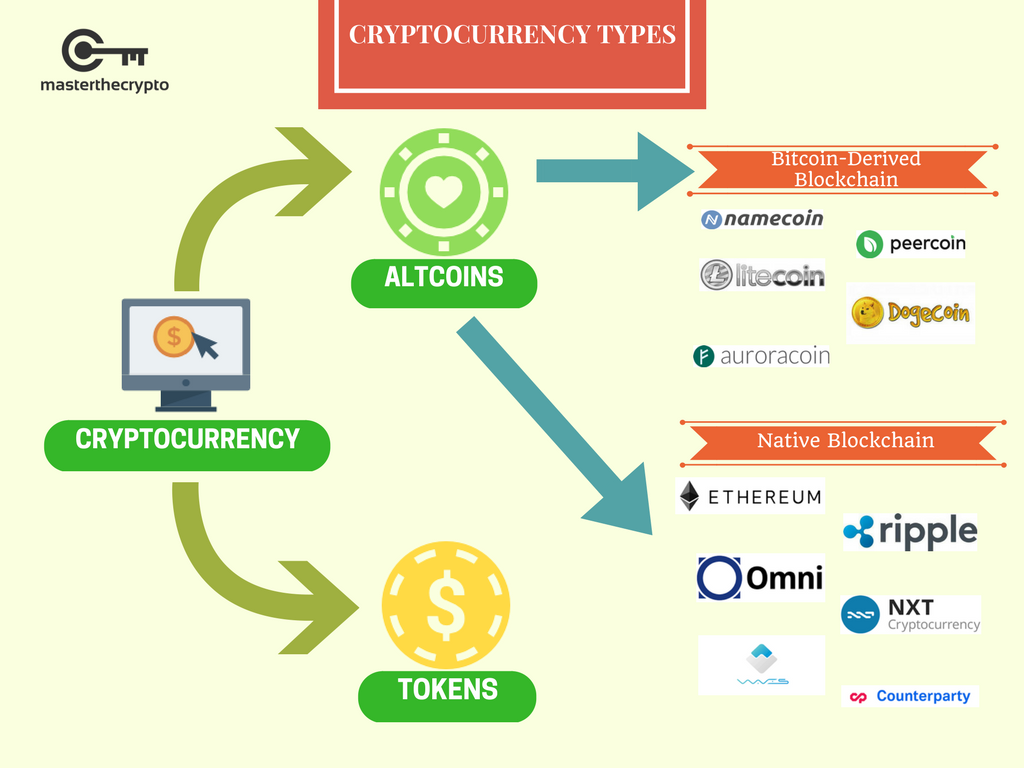
If you’re new to blockchain guides, here’s the straight scoop: coins and tokens are the building blocks of the crypto world, but they play different roles. Think of coins as the original stars of their own show—like Bitcoin, which powers its entire network—while tokens are more like versatile guest appearances on someone else’s stage, often riding on platforms like Ethereum. In about 50 words, tokens and coins in blockchain differ because coins have their own blockchain, enabling transactions and security from the ground up, whereas tokens leverage existing blockchains for added functionality, making them easier to create and use for everything from art to finance.
Diving deeper, let’s kick off with what are blockchain coins? Imagine coins as the native currency of a country; they’re the heart and soul of their blockchain. Take Bitcoin, for instance—it’s not just digital money; it’s the fuel that keeps the Bitcoin network running. These coins are mined through processes like proof-of-work, where powerful computers solve complex puzzles to validate transactions. It’s like a digital gold rush, but without the pickaxes. I once tried mining a tiny bit myself on my old laptop—spoiler, it overheated faster than a meme goes viral—but it gave me a real appreciation for how coins create scarcity and value. In the broader world of blockchain guides, coins like Ethereum’s Ether (ETH) also enable smart contracts, blending finance with tech in ways that feel almost magical.
The Versatile World of Blockchain Tokens
Now, shift gears to tokens, which are way more flexible and, honestly, a bit like the Swiss Army knives of crypto. Unlike coins, tokens don’t need their own blockchain; they hitch a ride on established ones. For example, ERC-20 tokens on Ethereum let developers create everything from stablecoins to NFTs without reinventing the wheel. It’s like building a house on someone else’s land—you save time and resources. A fun cultural nod: Think of tokens as those viral TikTok challenges that spread on existing platforms; they’re adaptable, fun, and can go mainstream overnight. In my circle, we’ve seen friends turn simple token ideas into community-driven projects, like decentralized apps that reward users with digital badges. This adaptability makes tokens a cornerstone in blockchain guides for beginners, as they’re easier to grasp and experiment with.
Strategies for Successful ICO LaunchesUnpacking the Key Differences Between Coins and Tokens
Alright, let’s get to the nitty-gritty—how do these two differ? Coins are standalone, with their own blockchain infrastructure, which means they’re generally used for payments, transfers, and as a store of value. Tokens, on the other hand, are built on top of blockchains like Ethereum or Binance Smart Chain, making them ideal for specific uses like governance in DAOs or representing real-world assets. To illustrate, here’s a quick comparison table that might make this click:
| Aspect | Coins | Tokens |
|---|---|---|
| Blockchain Origin | Native to their own blockchain (e.g., Bitcoin) | Issued on existing blockchains (e.g., ERC-20 on Ethereum) |
| Primary Use | Transactions, value storage, network security | Utility, representation of assets, smart contracts |
| Creation Process | Mining or predefined supply (e.g., proof-of-stake) | Smart contracts, often with unlimited issuance |
| Examples | Bitcoin (BTC), Litecoin (LTC) | USDT, Uniswap tokens |
This table isn’t just for show—it’s a real eye-opener for folks navigating blockchain guides. Coins tend to be more stable in volatile markets because of their scarcity, while tokens can skyrocket with hype, like a meme coin that captures internet culture. Remember the Dogecoin craze? It started as a joke but evolved into a token with real-world impact, showing how these digital assets can blend fun with finance.
Real-World Applications in Blockchain Adventures
Putting theory into practice, let’s explore how coins and tokens shape everyday blockchain scenarios. Coins like Bitcoin are perfect for peer-to-peer payments or as a hedge against inflation, much like how people stashed gold during uncertain times. Tokens, though, open doors to decentralized finance (DeFi), where you might lend, borrow, or trade without banks. I once dabbled in a token-based NFT project—imagine collecting digital art that pays royalties to creators forever. It’s not just tech; it’s a cultural shift, echoing how social media changed sharing. In blockchain guides, understanding these applications helps you spot opportunities, whether you’re investing or just curious about the future of money.
Why This Matters in Your Blockchain Journey
As we wrap up this relaxed ramble, think about how knowing the difference between coins and tokens can empower your own blockchain explorations. It’s not just about tech jargon; it’s about grasping the ecosystem that could redefine finance, art, and even social interactions. Maybe you’ll start with a simple token swap or dive into coin mining—who knows? Either way, the blockchain world is full of surprises, like discovering a hidden gem in a crowded market.
Pitfalls in Blockchain Adoption to AvoidFAQ: Quick Answers on Tokens and Coins
Q1: What’s the main risk with tokens compared to coins? Tokens can be more volatile since they’re often tied to specific projects, whereas coins like Bitcoin have broader adoption and stability—always do your research before diving in.
Q2: Can tokens become coins? In rare cases, a popular token might launch its own blockchain, evolving into a coin, but that’s like a startup going public—it’s a big leap and not guaranteed.
Q3: How do I start with blockchain coins or tokens? Begin with reputable exchanges, educate yourself through blockchain guides, and start small to understand the basics without overcommitting.
And hey, as you ponder your next move in this ever-evolving space, what’s one blockchain mystery you’d love to unravel next? It’s your adventure now.
Innovative Projects with Blockchain