
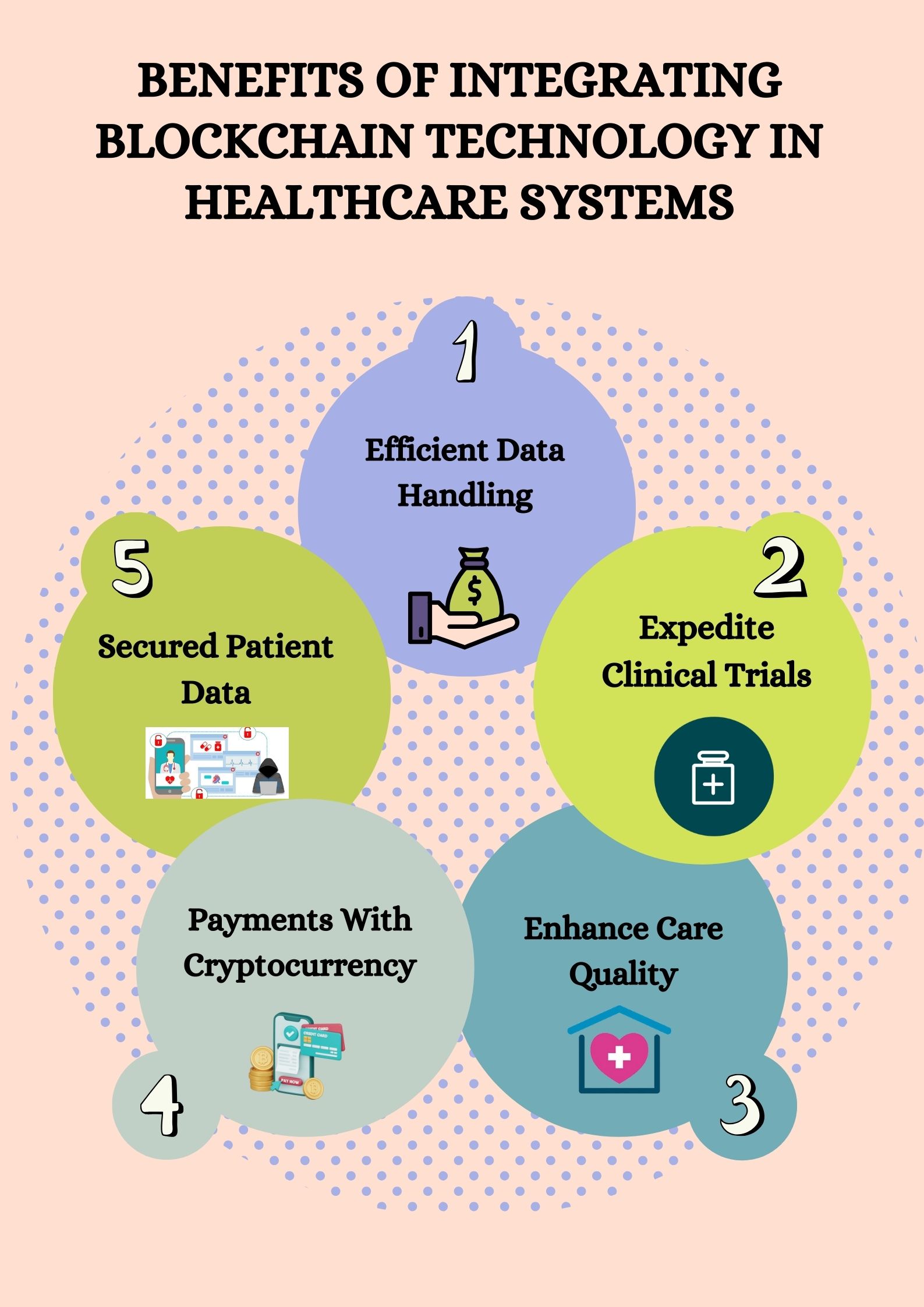
Ever imagine flipping through your old medical records only to find a mix-up that could have been avoided? Yeah, me too—it’s like that time I got the wrong prescription because files got swapped in some digital black hole. But hey, let’s chat about something that’s shaking things up in healthcare: blockchain. This tech isn’t just for crypto bros; it’s got real perks for keeping our health info safe and sound. In this guide, we’ll dive into how blockchain is like a super-secure vault for medical data, making everything from patient privacy to supply chains way more reliable.
So, what’s the big deal with blockchain in healthcare? **Blockchain benefits** include enhanced data security, better patient privacy, and seamless sharing of records without the usual headaches. Think of it as a digital ledger that locks in information so it can’t be tampered with, reducing errors and fraud. This tech could cut down on administrative costs by 20-30% in some estimates, making healthcare more efficient and trustworthy for everyone involved.
The Basics of Blockchain: Why It’s a Game-Changer for Health
Alright, let’s keep it chill and break this down. Blockchain is essentially a chain of blocks—each one holding data that’s linked and encrypted. It’s decentralized, meaning no single entity controls it, which is a breath of fresh air in healthcare where hospitals and insurers often play gatekeeper. Picture this: your medical history as a series of unchangeable entries that only you and your doctors can access with permission. No more chasing down records or worrying about hacks. For folks in the healthcare sector, this means **faster interoperability** between systems, like when you’re traveling and need quick access to your files abroad.
I’ve got a friend who’s a nurse, and she tells me stories about the chaos of paper trails and outdated databases. Blockchain could flip that script by ensuring every transaction—be it a prescription or a lab result—is transparent and verifiable. It’s not just tech jargon; it’s about making life easier for patients and providers alike. And here’s a fun twist: remember how memes went viral during the pandemic about vaccine passports? Well, blockchain could make those digital health passes secure and immutable, blending pop culture with real-world utility.
Tokens and Coins in Blockchain DemystifiedKey Benefits That Make Blockchain a Healthcare Hero
Diving deeper, the **benefits of blockchain in the healthcare sector** are like a Swiss Army knife for modern medicine. First off, data security is top-notch. With cyberattacks on hospitals rising, blockchain’s encryption acts as a fortress, protecting sensitive info from breaches. We’re talking about safeguarding everything from patient identities to genomic data, which is crucial as personalized medicine takes off.
Then there’s the interoperability angle—hospitals using different systems can finally talk to each other without friction. Imagine a world where your GP in the suburbs can instantly pull up your specialist’s notes from the city. It’s not sci-fi; it’s happening. Plus, for supply chains, blockchain tracks meds from factory to pharmacy, cutting down on counterfeits. That metaphor of a well-oiled machine? Blockchain makes it real, ensuring drugs like cancer treatments aren’t diluted or fake.
Oh, and let’s not forget cost savings. By streamlining processes, healthcare providers can reduce overheads. A study I stumbled upon showed potential savings of billions globally through efficient data management. But it’s not all roses; we’ve got to weave in how this tech empowers patients. With blockchain, you own your data, deciding who sees what—it’s empowering, like holding the keys to your own story in a world full of data thieves.
Real-World Applications and a Quick Compare
From electronic health records to clinical trials, blockchain is already in action. Take, for instance, a pilot program in Estonia where blockchain secures citizen health data, making it a model for others. Or in the US, some hospitals are using it for secure sharing during disasters. To give you a clearer picture, here’s a simple table comparing traditional methods versus blockchain in healthcare:
Strategies for Successful ICO Launches| Aspect | Traditional Systems | Blockchain-Enabled |
|---|---|---|
| Data Security | Vulnerable to hacks and alterations | Immutable and encrypted for maximum protection |
| Interoperability | Often siloed and incompatible | Seamless sharing across platforms |
| Cost Efficiency | High due to redundancies | Reduced through automation and transparency |
| Patient Control | Limited access and ownership | Full control via decentralized access |
This setup highlights how blockchain isn’t just an upgrade; it’s a transformation. And for those curious, it’s like upgrading from a flip phone to a smartphone—suddenly, everything’s connected and efficient.
Challenges: Keeping It Real in the Healthcare World
Look, blockchain isn’t perfect—it’s still evolving. Implementation costs can be steep, and there’s a learning curve for staff. Plus, regulatory hurdles mean we need clear laws to govern this tech. But think of it as planting seeds; the initial effort pays off with a robust system. In healthcare guides on blockchain, we often overlook the human side, but that’s key—training programs can turn skeptics into advocates, fostering a culture of innovation.
From my chats with tech enthusiasts, the excitement around AI integration with blockchain is palpable, like pairing coffee with cream for smarter health predictions. It’s about balancing the tech with everyday realities, ensuring it’s accessible for all, not just big players.
A Quick Dive into Emerging Trends
Under this umbrella, emerging trends like NFT-based health records or blockchain for telemedicine are bubbling up. It’s fascinating how this tech adapts, making remote consultations more secure and reliable.
Pitfalls in Blockchain Adoption to AvoidAs we wrap up this relaxed tour of **blockchain benefits in the healthcare sector**, ponder this: what if your health data was as secure as your favorite childhood secret? It’s time to push for these changes, diving into more resources or even exploring blockchain courses to stay ahead.
FAQ: Quick Answers on Blockchain in Healthcare
What are the main security benefits of blockchain in healthcare? Blockchain provides unbreakable encryption and a tamper-proof ledger, drastically reducing the risk of data breaches and ensuring patient information stays confidential and intact.
How does blockchain improve patient privacy? It gives patients control over their data through decentralized access, allowing them to grant or revoke permissions easily, much like managing friends on social media.
Is blockchain cost-effective for smaller healthcare providers? Absolutely, once implemented, it streamlines operations and cuts long-term costs, though initial setup might require investment—think of it as buying a durable tool that saves time later.
Innovative Projects with Blockchain