
Ever had that moment when you’re riding high on a successful trade, watching your portfolio balloon, only to get hit with the tax bill that brings you back to earth? Yeah, me too—it’s like celebrating a win at the casino, then realizing the house takes its cut. As someone who’s navigated the wild world of trading for years, I’ve learned that tax strategies for trading gains aren’t just about crunching numbers; they’re about keeping more of your hard-earned cash to keep trading smart. Let’s chat about this in a laid-back way, like we’re grabbing coffee and swapping stories, because nobody wants a stuffy lecture on taxes.
If you’re diving into trading, you might be wondering: how do I actually handle those gains without losing half to the taxman? Well, the core of tax strategies for trading gains boils down to understanding how to classify your profits and leverage deductions to shrink your tax bite. For instance, in the U.S., short-term gains (from assets held less than a year) get taxed as ordinary income, while long-term ones enjoy lower rates. By holding onto winners a bit longer or offsetting gains with losses, you could save thousands—it’s like turning a potential headache into a savvy money move, letting you reinvest and grow your portfolio with ease. That’s the quick scoop, straight and simple, to get you started on this essential trading guide.
The Basics of Trading Taxes: Why It Feels Like a Plot Twist
Picture this: you’re scrolling through your trading app, high-fiving yourself over a killer stock pick, and then bam—the end-of-year tax forms land in your inbox. It’s not as dramatic as a movie cliffhanger, but it can feel that way if you’re unprepared. In trading, taxes aren’t a one-size-fits-all deal; they depend on whether you’re day trading, swing trading, or just dabbling in crypto. The IRS, for example, treats frequent traders differently from casual investors, potentially classifying you as a “trader in securities” if you meet certain criteria. This could open doors to business expense deductions, like home office costs or education fees, making your setup feel less like a hobby and more like a legit operation.
From my own experience, I once overlooked the nuances of wash sales—selling a security at a loss and buying it back too soon, which disallows the loss for tax purposes. It was a rookie mistake that cost me, but it taught me the value of tracking every trade meticulously. Tools like brokerage statements or apps that auto-categorize your activities can turn this into a breeze, helping you avoid surprises. And hey, if you’re in the EU or elsewhere, local rules might vary, like VAT on certain trades, so always check your region’s specifics to keep things smooth.
Economic Downturn Trading PreparationsSmart Strategies to Minimize Your Tax Hit
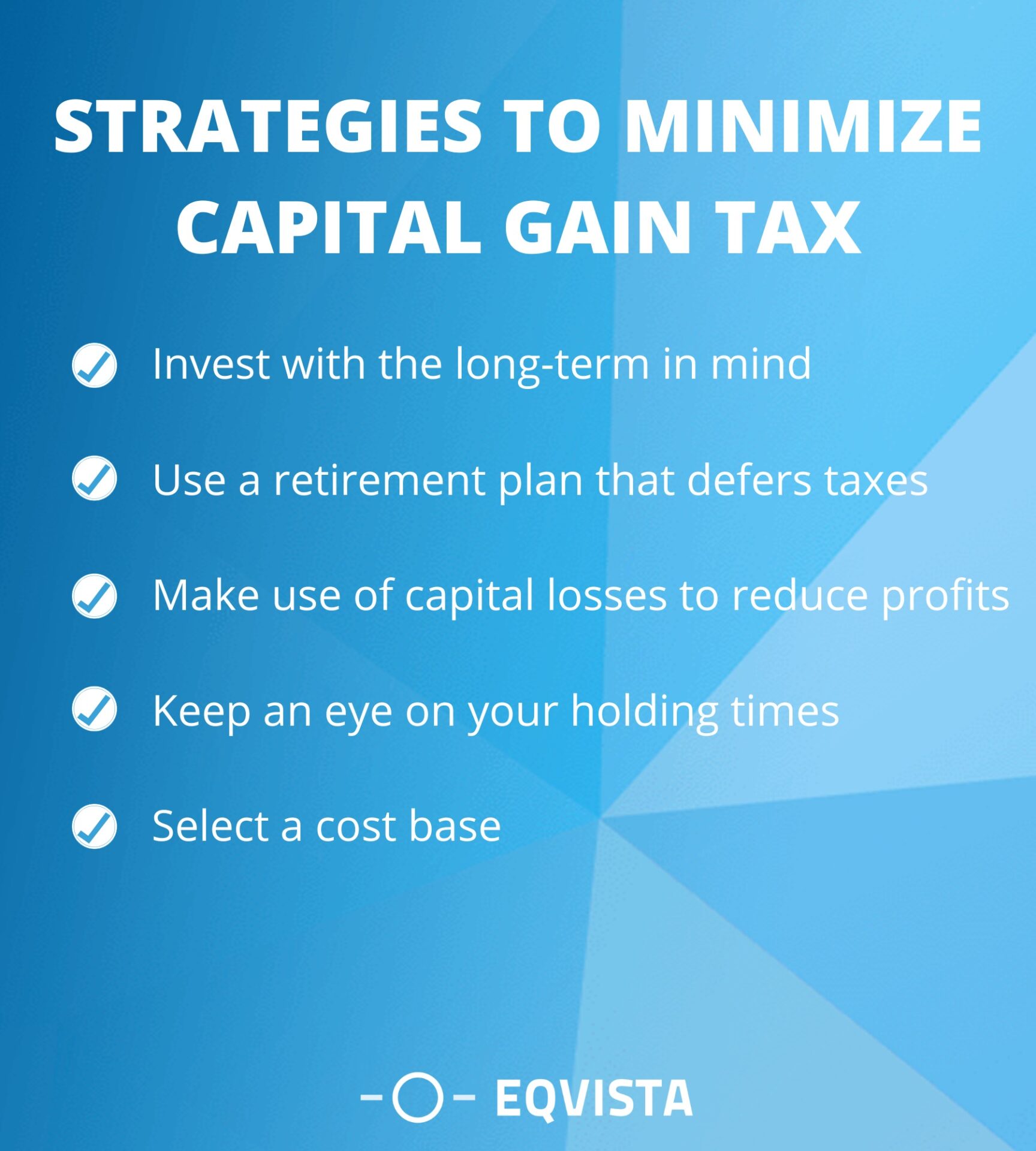
Alright, let’s get into the good stuff—how to actually shield your trading gains from excessive taxes. One chill approach is tax-loss harvesting, where you sell off losers to offset your winners. Imagine balancing a seesaw: if you have $5,000 in gains and $3,000 in losses, you only pay taxes on the net $2,000. It’s not about gambling with losses; it’s strategic, like pruning a garden to let the healthy plants thrive. Plus, with retirement accounts like IRAs, you can defer taxes altogether, letting your investments compound without the annual drag.
Another angle? Consider the holding period magic. By hanging onto assets for over a year, you tap into long-term capital gains rates, which are often way lower than short-term ones. I remember a friend who turned a quick-flip habit into a more patient strategy, and it shaved off a solid chunk from his tax bill. Oh, and don’t forget about qualified dividends from stocks; they get preferential treatment too. To make this even more relatable, think of it like meal prepping: a little planning upfront saves you from the stress later, keeping your trading journey enjoyable and profitable.
| Strategy | Potential Benefits | Considerations |
|---|---|---|
| Tax-Loss Harvesting | Offsets gains, reducing taxable income | Avoid wash sale rules to keep deductions valid |
| Long-Term Holding | Lower tax rates on gains | Requires patience; market volatility can be a factor |
| Retirement Accounts | Tax-deferred growth | Penalties for early withdrawals; limits on contributions |
Common Pitfalls and How to Dodge Them
In the trading world, it’s easy to trip over tax traps if you’re not paying attention. For starters, underreporting or miscategorizing trades can lead to audits, which nobody wants—it’s like getting a surprise pop quiz you didn’t study for. Always keep detailed records, from trade confirmations to expense receipts, because the devil is in the details. And if you’re trading internationally, currency conversion might trigger additional taxes, so factor that in early.
Anecdotally, I once mixed up short-term and long-term gains on a big crypto trade, and it cost me extra in taxes. Lesson learned: use reliable software or consult a tax pro who’s versed in trading nuances. They can help with things like the Section 475 election for mark-to-market accounting, which treats all gains as ordinary income but might exempt you from capital gains rules. It’s not for everyone, but it adds that extra layer of strategy, making your trading taxes feel less overwhelming and more manageable.
Custom Strategies for Personal StylesWrapping Up with a Fresh Perspective
As we ease out of this chat, think about how mastering tax strategies for trading gains can transform your trading game from reactive to proactive. It’s not just about the numbers; it’s about building a sustainable path that lets you enjoy the highs without the hidden lows. What if you used these tips to fund your next big adventure, whether that’s a family trip or diving deeper into markets? Either way, keep that relaxed vibe, stay curious, and remember—every trade is a step in your story.
Quick FAQ for Traders
Q: What exactly is a capital gain in trading? A capital gain is the profit you make when you sell an asset for more than you bought it. In trading, it’s straightforward but can be short-term (taxed higher) or long-term (taxed lower), so timing your sales matters a ton.
Q: Do I have to report every single trade on my taxes? Generally, yes, but if you’re a casual trader, you might only report net gains. High-volume traders should track everything to avoid issues, and tools like TurboTax can simplify this process.
Q: Can I deduct trading losses from my regular income? Up to a point, yes—in the U.S., you can deduct up to $3,000 of net losses against ordinary income, with any excess carried over to future years. It’s a nice safety net for volatile markets.
Correlation Analysis Between Assets