
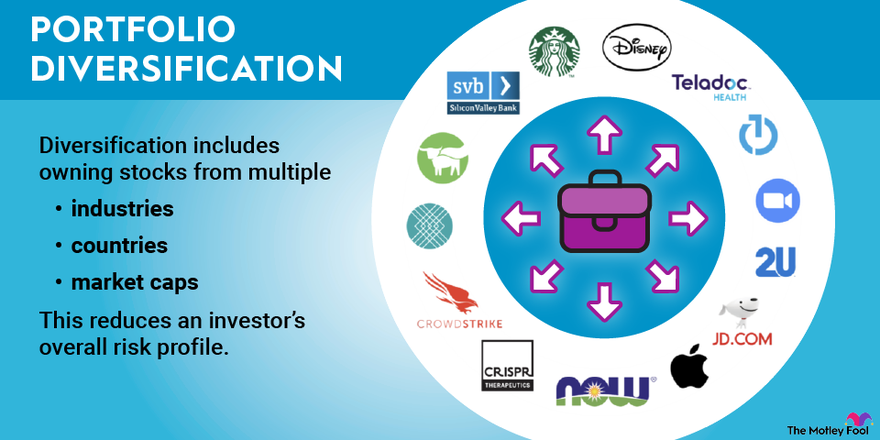
Ever thought about building a financial safety net that’s as balanced as your favorite playlist? I’m talking about crafting a diversified portfolio that doesn’t put all your eggs in one volatile basket. It’s like mixing genres in your music library – a bit of pop for the fun times, some rock for the energy, and maybe a touch of classical for stability. As someone who’s navigated the ups and downs of trading, I’ll share some laid-back advice to help you spread your investments without the stress.
Diversified portfolio construction is essentially about not letting one bad trade tank your whole setup. In a nutshell, it’s the art of mixing different assets to manage risk while chasing growth. Think of it as hedging your bets in a friendly poker game among friends – you don’t go all-in on one hand; you play smart across the table. This approach can help buffer against market swings, and from my own experiences tinkering with stocks and bonds, it’s a game-changer for anyone serious about trading.
Why Bother Diversifying in the First Place?
Okay, let’s kick back and chat about why this matters. Imagine you’re a gardener – if you only plant one type of seed, a single storm could wipe out your whole patch. But toss in a variety of plants, and you’re more likely to harvest something no matter the weather. In trading, diversification spreads your risk across different asset classes like stocks, bonds, commodities, or even cryptocurrencies. It’s not about eliminating risk entirely – that’s impossible – but about making your portfolio resilient. According to a casual scroll through financial data, portfolios that aren’t diversified often see wilder fluctuations, which can be a real headache during market downturns.
From my early days dabbling in trading, I once loaded up on tech stocks thinking it was the next big wave. Spoiler: It wasn’t, and I felt that pinch when the sector dipped. That taught me the value of mixing it up – adding some steady blue-chip stocks alongside emerging markets or even real estate funds. It’s like seasoning a dish; too much of one spice ruins the meal, but the right blend makes it unforgettable.
Tax Strategies for Trading GainsStep-by-Step Guide to Building Your Diversified Portfolio
Alright, let’s get practical. Constructing a diversified portfolio doesn’t have to feel like rocket science. Here’s how you can ease into it, one step at a time. I’ll keep it chill, like we’re brainstorming over coffee.
1First off, assess your risk tolerance and goals. Are you in it for quick gains or long-term growth? Jot down what you want – maybe retirement funds or just some extra cash flow. This sets the stage, kind of like picking the theme for your next road trip.
2Next, divvy up your assets. Aim for a mix that aligns with your comfort level – perhaps 60% in stocks for growth, 30% in bonds for stability, and 10% in alternatives like ETFs or gold. Investment diversification isn’t one-size-fits-all; tweak it based on market trends and your personal vibe.
3Dive into research. Don’t just chase the hot tips from social media memes – dig deeper. Explore how different sectors correlate; for instance, when tech slumps, consumer goods might hold steady. It’s like reading the room at a party before joining a conversation.
Economic Downturn Trading Preparations4Rebalance regularly. Life changes, and so do markets. Check in every few months to adjust your holdings – sell a winner if it’s hogging too much space, or buy more of an underperformer. This keeps things balanced, much like trimming a bonsai tree for that perfect shape.
Comparing Asset Classes for Better Choices
To make this even more relatable, let’s throw in a quick table comparing common asset classes. It’s not meant to overwhelm; think of it as a menu to help you pick your trading feast.
| Asset Class | Potential Returns | Risk Level | Best For |
|---|---|---|---|
| Stocks | High (10-15% historically) | High volatility | Growth-oriented traders |
| Bonds | Moderate (4-6%) | Lower, more stable | Those seeking steady income |
| Commodities | Variable, often tied to global events | Medium-high | Hedging against inflation |
| ETFs | Diversified returns (varies) | Moderate | Beginners wanting broad exposure |
This breakdown shows how each piece fits into the puzzle of portfolio construction. For instance, if you’re into that viral trading culture on Reddit, ETFs might be your go-to for easy diversification without the deep dive.
Pro Tips for Staying Relaxed in Trading
Now, let’s loosen up with some extra nuggets. One thing I’ve picked up is to avoid emotional trading – that knee-jerk reaction to sell when the market dips. Instead, use tools like stop-loss orders or set diversification rules to keep things steady. And hey, remember that meme about the turtle and the hare? Slow and steady often wins in investing, especially when you’re building a robust setup.
Custom Strategies for Personal StylesOh, and don’t forget about global events; they can shake things up faster than a plot twist in a binge-worthy series. Keeping an eye on economic news while maintaining your diversification strategy can make all the difference.
A Quick FAQ for Curious Minds
Q: How often should I diversify my portfolio? A: There’s no hard rule, but reviewing and rebalancing every 6-12 months is a solid start, depending on market conditions and your personal goals.
Q: Can diversification guarantee profits? A: Not at all – it’s more about managing risk. Think of it as a seatbelt; it doesn’t prevent accidents, but it makes them less devastating.
Q: Is this advice suitable for beginners? A: Absolutely, as long as you start small and educate yourself. It’s like learning to ride a bike – wobbles are expected, but practice leads to smoother rides.
Correlation Analysis Between AssetsAs we wrap this up, imagine glancing back at your portfolio like an old photo album, seeing how those smart choices paid off over time. What if you tweaked your strategy today to make tomorrow’s story even better? It’s your move in this trading game – play it wise, and enjoy the journey.