
Picture this: I’m sitting at my kitchen table, coffee in hand, scrolling through my crypto portfolio when I spot a hot tip on some obscure altcoin. Excitement builds—could this be the next big thing? But then, that nagging voice in my head pipes up: “Hey, remember that friend who got slapped with a fine for trading without a clue about the rules?” Yeah, that’s the reality check we all need. Trading altcoins isn’t just about charts and moonshots; it’s a minefield of regulations that can turn your gains into headaches if you’re not careful. As someone who’s navigated these waters for years, I’m here to break it down in a chill, straightforward way, so you can trade smarter without the stress.
So, what’s the big deal with regulations for altcoin traders? Essentially, it’s about protecting yourself from legal pitfalls while enjoying the crypto ride. Governments and financial watchdogs are stepping in to ensure fair play in this wild west of digital assets. For instance, ignoring securities laws could lead to hefty fines or even account freezes—nobody wants that. In a nutshell, staying on top of regulatory considerations means you can focus on picking winners like Solana or Cardano without second-guessing every move. This approach helps traders build sustainable strategies, blending excitement with smart risk management to keep your portfolio thriving.
Why Regulations Matter in the Altcoin Game
Navigating the Regulatory Landscape Like a Pro
Let’s get real—altcoins like Ethereum’s rivals aren’t just fun gadgets; they’re assets that attract scrutiny from bodies like the SEC in the US or the FCA in the UK. I once knew a guy who dove headfirst into trading Shiba Inu tokens, thinking it was all memes and laughs, only to realize his setup might classify as an unregistered security. Ouch. Regulations aim to prevent fraud and money laundering, which is fair, but they can feel like overkill when you’re just trying to diversify. Think of it as the internet’s early days: wild freedom met with rules to keep things safe. By understanding these, you’re not just complying; you’re building a buffer against unexpected shake-ups, like when a country bans certain coins overnight.
Customizing Your Altcoin Investment ApproachDiving deeper, different regions have their quirks. In the EU, MiCA regulations are reshaping how altcoins operate, pushing for transparency that could affect everything from staking rewards to token listings. Meanwhile, in Asia, places like Singapore enforce strict licensing for exchanges. It’s like comparing a relaxed beach party to a structured city gala—each has its vibe, but you need to know the dress code. Using tools like blockchain explorers or regulatory trackers can help you stay informed, turning potential traps into informed decisions. And hey, incorporating this knowledge makes your trading journey feel less like gambling and more like a calculated adventure.
Key Regulatory Bodies and What They Mean for You
Alright, let’s name names without making it sound like a boring lecture. The SEC isn’t just for Wall Street bigwigs; they’re eyeing altcoins that function like stocks, demanding disclosures that could impact projects like Polkadot. Over in the UK, the FCA is all about consumer protection, which translates to rules on promotional materials for altcoin trades—think twice before sharing that hyped tweet. I remember laughing at a viral meme about “regulator dodging,” but in reality, it’s no joke; one misstep and you could be facing audits.
To make this relatable, imagine regulations as traffic lights on a busy street. The CFTC in the US watches for derivatives trading in altcoins, ensuring it’s not manipulated, while international groups like the FATF push for global standards against illicit activities. Here’s a quick table to compare how these bodies stack up:
| Regulatory Body | Focus Area | Impact on Altcoin Traders |
|---|---|---|
| SEC (US) | Securities classification | Requires altcoins with investment contracts to register, potentially limiting trades |
| FCA (UK) | Consumer protection | Mandates clear communication to avoid misleading promotions |
| FATF (Global) | Anti-money laundering | Enforces KYC for exchanges, affecting how you buy and sell altcoins |
This isn’t exhaustive, but it highlights why keeping an eye on these entities can save you from surprises. Blending in some cultural nods, like how crypto communities on Reddit often debate these rules with memes, adds a layer of community wisdom to your strategy.
Ethical Choices in Altcoin SelectionCommon Pitfalls and How to Dodge Them
We’ve all heard stories of traders getting burned by ignoring the fine print. One classic slip-up is treating all altcoins as commodities when some, like those tied to DeFi platforms, might fall under securities laws. It’s like assuming every street food is safe without checking ingredients—could lead to a bad reaction. To avoid this, start by auditing your portfolio: is that altcoin you’re holding backed by a team promising returns? If yes, it might need extra scrutiny.
Another trap is geographical blind spots. Trading from a country with lax rules doesn’t mean you’re immune if you deal with international exchanges. I once adjusted my strategy after a regulatory update in my home country, swapping out riskier altcoins for more established ones. Tips like using VPNs for privacy (legally, of course) or subscribing to crypto news feeds can keep you ahead. Remember, it’s not about fear; it’s about smart, relaxed trading that lets you enjoy the ups without the downs.
Staying Compliant: Easy Tips for Everyday Traders
Okay, enough theory—let’s get practical. First off, educate yourself with resources from sites like CoinDesk or official regulatory pages; it’s like having a cheat sheet for the exam. Always verify if your altcoin trades comply with local laws before diving in. For example, if you’re in the US, check if the coin is on the SEC’s radar. Another pro tip: use compliant wallets and exchanges that handle KYC, which might feel like a hassle but acts as your safety net.
In a more emotional vein, think about the bigger picture—trading altcoins responsibly means contributing to a healthier crypto ecosystem. It’s not just about profits; it’s about being part of something evolving, like how NFTs shifted art perceptions. By staying compliant, you’re paving the way for innovation without the fallout.
Forecasting Altcoin Price FluctuationsAs we wrap up this laid-back guide, imagine peering into your crystal ball: what’s next for altcoin regulations? Probably more clarity, with global standards emerging. But here’s a thought to leave you with—will you be the trader who adapts and thrives, or one who gets caught off guard? Dive deeper, stay curious, and let’s keep the altcoin adventure rolling.
FAQ: Quick Answers on Altcoin Regulations
What are the main risks of ignoring regulations in altcoin trading? Overlooking rules can lead to legal actions, fines, or frozen assets, as seen in recent SEC cases. Always prioritize compliance to protect your investments and personal finances.
How can beginners start learning about crypto regulations? Begin with reputable sources like official government sites or educational platforms, and join community forums for real-time insights without overwhelming yourself.
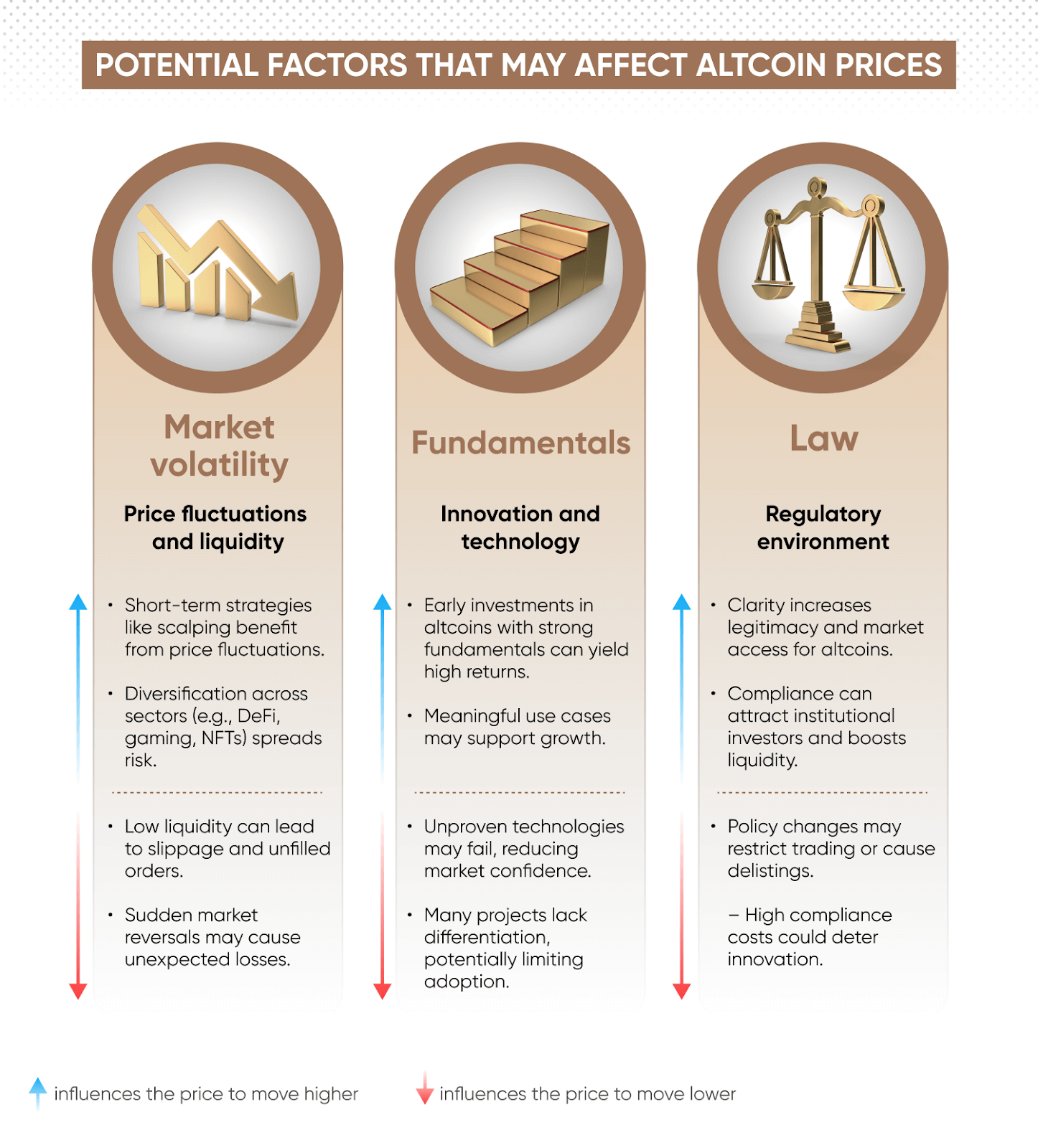
Is it possible for regulations to benefit altcoin traders? Absolutely—clearer rules can reduce market volatility and build trust, making it easier to spot legitimate opportunities in the long run.
Networking Opportunities in Altcoin Communities