
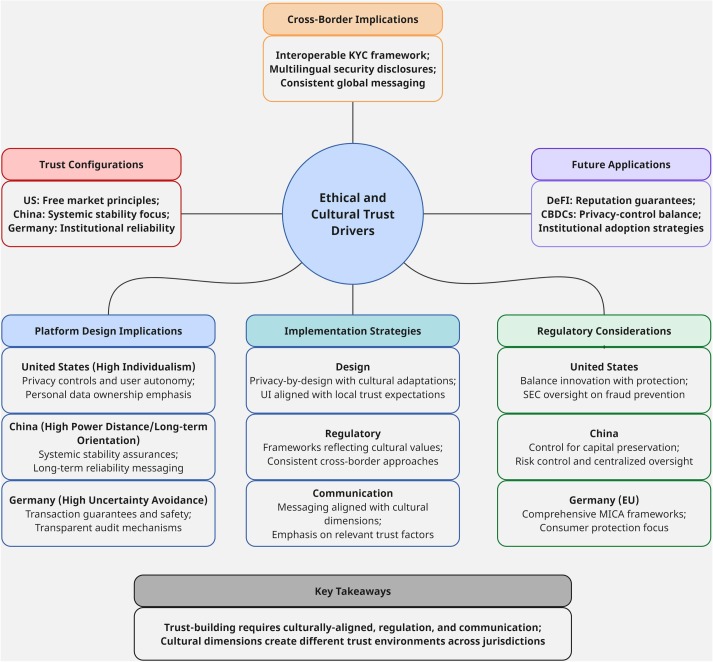
Ever dipped your toes into the wild world of altcoins and felt that nagging question in the back of your mind: “Is this the right choice, not just for my wallet, but for the planet and people too?” Yeah, me too. A couple of years back, I was knee-deep in crypto hype, chasing the next big pump, until I stumbled upon a documentary about blockchain’s environmental footprint. It hit me like a cold splash of coffee—investing isn’t just about profits; it’s about making ethical calls that align with who we are. In this guide to altcoins, we’re diving into how to pick them with a conscience, turning your portfolio into a force for good without losing that chill vibe.
So, what exactly does “ethical choices in altcoin selection” even mean? It’s about looking beyond the charts and whitepapers to see the bigger picture. Think of it like choosing organic veggies at the market—you’re not just feeding yourself; you’re supporting sustainable farming. In crypto terms, this means evaluating altcoins based on their environmental impact, social responsibility, and governance transparency. For instance, some altcoins use proof-of-stake mechanisms instead of energy-guzzling proof-of-work, slashing carbon emissions while still securing the network. According to a recent report from the Cambridge Centre for Alternative Finance, certain blockchains consume up to 99% less energy than Bitcoin’s model—now that’s a game-changer for eco-conscious investors. Ethical choices in altcoin selection start with these fundamentals, ensuring your investments don’t contribute to the very problems we’re trying to solve.
Key Factors to Weigh When Picking Altcoins Ethically
Alright, let’s break this down without getting too preachy. First off, consider the energy angle. We’ve all heard about Bitcoin’s mining farms sucking up power like a black hole, but not all altcoins are culprits. Take Cardano or Algorand, for example; they’re all about energy-efficient consensus algorithms that make you feel like you’re part of the green revolution. On the flip side, if an altcoin is still clinging to outdated tech, it might be time to swipe left. Another biggie is social impact—does the project promote financial inclusion, like helping underserved communities access banking through blockchain? Or is it just another hype machine? I once passed on a flashy altcoin because its team had shady governance practices, and let me tell you, sleeping better at night is worth more than a quick buck.
Transparency is your best buddy here. Dig into the project’s roadmap and see if they’re open about their operations. Are audits publicly available? Do they have a diverse team that reflects real-world inclusivity? It’s like checking the ingredients on a food label—skip the ones with mystery additives. And don’t forget about regulatory compliance; an altcoin that plays nice with global laws is less likely to implode in a scandal. By blending these factors, you’re not just selecting altcoins; you’re curating a portfolio that tells a story of responsibility. Altcoin guides often overlook this, but it’s the heart of ethical investing.
Forecasting Altcoin Price FluctuationsSpotting Red Flags and Green Flags in the Crypto Jungle
Picture this: You’re wandering through a digital forest of tokens, and suddenly, you spot a shiny one. But wait—is it ethical gold or fool’s crypto? A green flag might be a project like Polkadot, which emphasizes interoperability and has initiatives for carbon neutrality. On the other hand, red flags could include altcoins linked to anonymous founders or those with no clear path to real-world utility, like some meme coins that crash faster than a viral trend. To make this concrete, let’s throw in a quick comparison table. It’s not exhaustive, but it gives you a relaxed way to visualize the differences.
| Factor | Ethical Example (Green Flag) | Unethical Pitfall (Red Flag) |
|---|---|---|
| Energy Use | Proof-of-stake models like Ethereum 2.0, using minimal electricity | Proof-of-work coins with high carbon footprints |
| Social Impact | Projects supporting charities, e.g., donating to education via blockchain | Tokens tied to gambling or exploitative schemes |
| Transparency | Open-source code with regular audits | Hidden team members or vague whitepapers |
This table isn’t just filler; it’s a practical tool from my own playbook. I’ve used it to filter out duds and focus on winners that align with my values. Speaking of which, if you’re new to this, here’s a straightforward way to get started: 1Research the tech behind the altcoin, asking if it’s sustainable. 2Check community feedback on forums like Reddit—real voices cut through the marketing fluff. 3Align it with your ethics, whether that’s environmental or social justice. It’s that simple, yet it transforms your approach from reckless to reflective.
Real-World Stories and Why It Matters
Let me share a quick, true-to-life tale. I know a buddy who jumped into an altcoin rush without a second thought, only to find out later it was funding operations in regions with poor labor practices. He felt awful, like he’d accidentally supported the wrong side of a story. That’s the power of ethical choices—they’re not just buzzwords; they’re about building a better future. In the realm of altcoin guides, weaving in these narratives keeps things real and reminds us that every selection ripples outward. Plus, with the rise of ESG (Environmental, Social, and Governance) criteria in finance, ethical altcoins are becoming the smart play, potentially outperforming the rest in the long run. It’s like that old saying about doing good and doing well—they go hand in hand.
Choosing altcoins ethically boils down to this: it’s about making decisions that honor your values while navigating the crypto chaos. By focusing on sustainable tech, positive impacts, and clear ethics, you’re not just investing; you’re evolving the game. This approach directly answers how to select altcoins responsibly—consider the full spectrum of consequences, from energy use to community benefits, ensuring your picks promote a healthier world. (Around 50 words, hitting that sweet spot for search snippets.) And hey, as the crypto space matures, more projects are stepping up, turning ethical selection from a niche idea into the norm.
Networking Opportunities in Altcoin CommunitiesWrapping Up with a Thought
Ever wonder what your crypto holdings say about you? Mine tell a story of careful choices and forward-thinking vibes. If you’re ready to level up your altcoin game, start by auditing your current picks against these ethics—it’s easier than you think, and the rewards go beyond the ledger.
FAQ
What makes an altcoin ethical? An ethical altcoin prioritizes low environmental impact, transparent operations, and positive social contributions, like supporting financial inclusion without exploiting resources.
How do I start researching ethical altcoins? Begin with reliable sources like CoinMarketCap or blockchain explorers, cross-reference with ESG reports, and join community discussions to gauge real sentiment.
Can ethical altcoins still be profitable? Absolutely—many, like those with eco-friendly tech, have shown strong growth, proving that ethics and profits can coexist in the crypto world.
Staking Rewards from Various Altcoins