
Ever stumbled upon the word ‘blockchain’ and felt like it was some futuristic jargon reserved for tech wizards? Well, let’s kick back and unpack this together, like we’re chatting over coffee. I’m no crystal ball gazer, but I remember the first time I heard about it – I was scrolling through a meme on Twitter about digital cats and virtual money, and suddenly, blockchain popped up as the backbone. It’s not as intimidating as it sounds; think of it as a super-secure, shared notebook that no one can tamper with. By the end, you’ll see why it’s changing the game for everything from money to music.
Blockchain basics might sound dry, but here’s the straight scoop: it’s a digital ledger that records transactions across a network of computers. No single entity controls it, which makes it transparent and tamper-proof. If you’re new to this, imagine a chain of blocks, each holding data like transactions, and linked together so that altering one messes up the whole thing. That’s the magic – it’s decentralized, meaning power is spread out, not hoarded by one big bank or company. In about 50 words, blockchain is like a public diary where everyone can see the entries, but only authorized folks can write in it, ensuring everything stays honest and unaltered.
The Building Blocks: What Makes Blockchain Tick?
Okay, let’s ease into the nitty-gritty without overwhelming you. At its core, blockchain is a string of records – blocks – that are chained together using cryptography. Each block contains data, a timestamp, and a unique code that links it to the next one. It’s like building a Lego tower where every piece fits perfectly and can’t be swapped out without toppling the whole structure. I once compared it to a family recipe book passed down generations; you can add your twist, but you can’t erase grandma’s secret ingredient without everyone noticing.
This tech isn’t just for cryptocurrencies like Bitcoin, though that’s what made it famous. It’s popping up in supply chains, voting systems, and even art verification. For beginners, the key is understanding that decentralization is what sets it apart from traditional databases. Instead of one server holding all the info, it’s distributed across thousands, making it resilient to hacks. Picture a neighborhood watch where everyone has a copy of the security log – pretty clever, right?
Best Practices in Blockchain IntegrationHow It All Comes Together: A Step-by-Step Peek
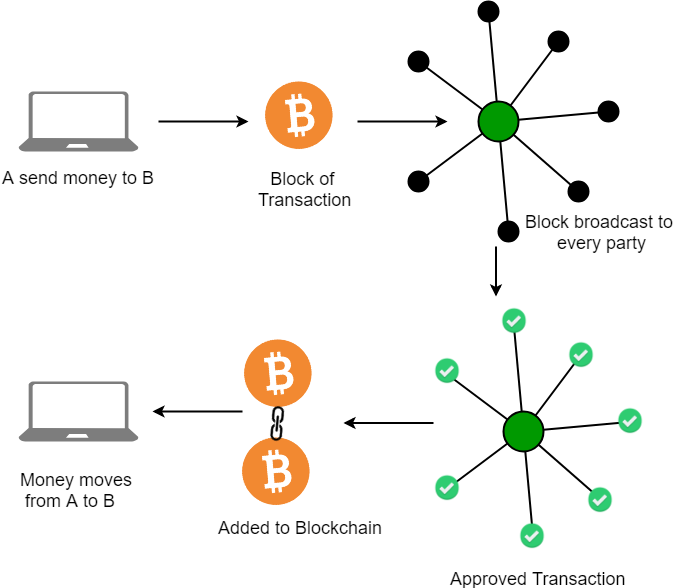
Alright, let’s walk through how blockchain works, step by simple step. First off, when you want to make a transaction – say, sending crypto to a friend – it gets broadcast to the network. Think of it as shouting your order in a crowded market; everyone hears it, but only the verified sellers respond.
1Miners or validators grab that transaction and bundle it with others into a block. They’re like the chefs in the kitchen, double-checking ingredients before cooking.
2Next, they solve a complex puzzle to ‘mine’ the block, which adds it to the chain. This proof-of-work (or other consensus methods) ensures security – it’s resource-intensive, so no funny business.
3Once added, the block is linked to the previous one via a hash, making the chain immutable. And just like that, your transaction is permanent.
Mitigating Risks in Blockchain ProjectsIt’s not perfect – it can be energy-hungry – but for beginners, this shows why blockchain technology is revolutionary for secure, transparent processes.
Real-Life Wins: Why Blockchain Matters to You
Now, let’s get real – how does this affect everyday life? Take supply chains, for instance. I read about a coffee brand using blockchain to trace beans from farm to cup, cutting out middlemen and ensuring fair trade. It’s like that viral TikTok where folks expose fast fashion’s dark side, but with tech backing it up. Or in healthcare, patient records could be stored on a blockchain, giving you control and reducing errors – no more lost files in bureaucracy hell.
For beginners, the appeal lies in its potential for financial inclusion. In places with shaky banking, blockchain lets people send money securely without a bank account. Remember that Netflix documentary on unbanked populations? It’s a game-changer, fostering trust in a world full of scams. And hey, even artists are hopping on board; NFTs use blockchain to prove ownership, turning digital art into something valuable and unique.
| Feature | Traditional Database | Blockchain |
|---|---|---|
| Control | Centralized (one authority) | Decentralized (shared network) |
| Security | Vulnerable to single-point failures | Highly resistant due to distribution |
| Transparency | Limited access | Public ledger for verified users |
Busting Myths: Clearing the Fog
Let’s address the elephant in the room – myths about blockchain. Some think it’s only for shady crypto schemes, but that’s like saying the internet is just for cat videos. In reality, it’s a tool with vast applications, from secure voting to smart contracts that auto-execute deals. Another misconception: it’s too complex for newcomers. Nah, with resources like online courses or community forums, you can grasp it in no time. I once joined a Reddit thread where beginners shared tips, and it felt like a supportive club, not a lecture hall.
Future Trends of Blockchain TechnologyThe truth is, blockchain for beginners means starting small, experimenting with a wallet app, and seeing the tech in action. It’s evolving, with upgrades like Ethereum 2.0 making it greener, so don’t write it off as a fad.
Quick FAQ for Curious Minds
Q: What’s the difference between blockchain and Bitcoin? A: Bitcoin is a cryptocurrency that uses blockchain as its underlying technology, but blockchain is broader – it’s the tech framework that can support many applications beyond digital money.
Q: Is blockchain safe for everyday use? A: Absolutely, when implemented right. Its decentralized nature makes it secure, but like any tech, it depends on how it’s used and protected.
Q: Do I need coding skills to understand blockchain? A: Not at all! While coding helps for advanced stuff, plenty of beginner guides break it down with simple explanations and visuals.
Blockchain’s Role in Data SecurityAs we wrap this up, think about how blockchain could spark your next big idea – maybe building a app for transparent charity donations. What if you dove deeper and explored a project yourself? It’s out there, waiting for folks like you to join the revolution.