
Ever stumbled upon blockchain and felt like you’re trying to crack a secret code from a spy movie? I know I did when I first dove into crypto back in 2018, mining a few coins on my old laptop and wondering how on earth all those computers agreed on the truth without a central boss. That’s the magic of consensus mechanisms, the unsung heroes keeping blockchain networks honest and humming. Today, we’re unpacking these digital peacekeepers in a laid-back chat, no tech jargon overload—just straight talk to help you grasp why they’re the backbone of everything from Bitcoin to your favorite NFT drops.
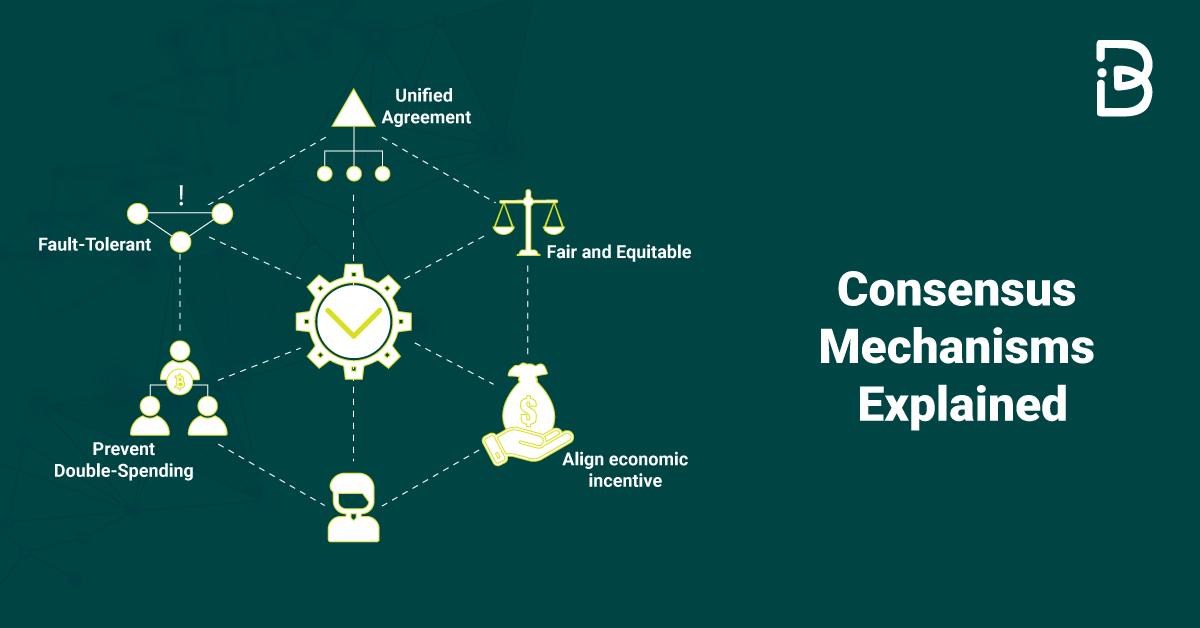
At its core, consensus mechanisms in blockchain are the rules that let distributed networks agree on a single version of the truth without trusting each other blindly. Think of it as a global vote where nodes—those computer servers—decide what’s valid, preventing fraud and ensuring data integrity. For instance, in a blockchain like Ethereum, these mechanisms ensure transactions are verified securely, making the whole system decentralized and tamper-proof. This process is crucial because it maintains the network’s reliability, especially in the face of potential bad actors—exactly what you’d want in a world of digital currencies and smart contracts.
The Basics: Why Blockchain Needs a Consensus Party
Picture a room full of strangers trying to agree on what song to play next at a party—chaos, right? That’s what blockchain would be without consensus mechanisms. These protocols are like the cool host who mediates, ensuring everyone plays fair. In blockchain guides, we often start here because without understanding this foundation, the rest feels like building a house on sand. Historically, Bitcoin kicked it off with Proof of Work, inspired by solving complex puzzles, which was a game-changer for secure, peer-to-peer transactions back in 2009.
From a everyday angle, imagine you’re in a group chat planning a trip; consensus is how you all decide on the destination without one person dominating. It’s not just techie stuff—it’s about trust in a distrustful world. These mechanisms handle conflicts, like double-spending in crypto, by making it computationally expensive or socially enforced to cheat. That’s why, in blockchain circles, we geek out over how they’ve evolved from simple ideas to sophisticated algorithms powering billions in transactions daily.
Introduction to Blockchain for BeginnersDiving into the Popular Types: From Energy Guzzlers to Eco-Friendly Champs
Let’s keep it real—there are a bunch of consensus mechanisms out there, but we’ll spotlight the heavy hitters to keep things breezy. First up is Proof of Work (PoW), the OG that Bitcoin uses. It’s like a high-stakes mining operation where miners compete to solve puzzles, rewarding the winner with coins. Sure, it’s secure, but it’s also a power hog, which is why folks joke it’s like running a marathon just to flip a light switch.
Then there’s Proof of Stake (PoS), Ethereum’s shiny upgrade. Instead of burning electricity, validators are chosen based on their stake in the network—kinda like voting with your wallet. It’s faster, greener, and less drama, but it has its critics who worry about wealth concentration. And don’t forget Delegated Proof of Stake (DPoS), where users vote for representatives, making it feel more democratic, almost like a community election in your neighborhood blockchain.
For a quick vibe check, here’s a simple table comparing these mechanisms, because who doesn’t love a cheat sheet when learning about blockchain consensus?
| Mechanism | Key Feature | Pros | Cons |
|---|---|---|---|
| Proof of Work (PoW) | Miners solve complex math problems | Highly secure; decentralized | High energy use; slower transactions |
| Proof of Stake (PoS) | Validators staked based on holdings | Energy-efficient; faster blocks | Potential for centralization; security risks if stakes are manipulated |
| Delegated Proof of Stake (DPoS) | Community elects delegates | Quick and scalable; community-driven | Vulnerable to vote manipulation; less proven long-term |
How They Actually Work: A Behind-the-Scenes Peek
Okay, let’s get a bit hands-on without losing that relaxed vibe. Take PoW as an example—it’s not rocket science, but it does involve some brainy math. Miners broadcast transactions, bundle them into blocks, and race to add them to the chain by solving cryptographic puzzles. The first one to crack it gets the block added, and voilà, consensus is reached. It’s like a digital gold rush, but with less dirt and more code.
Best Practices in Blockchain IntegrationSwitch to PoS, and it’s more like a lottery where your ticket size (your stake) boosts your chances. This reduces the need for massive computing power, making it ideal for scaling blockchains. In blockchain guides, we often highlight how these mechanisms adapt to real-world needs, like Ethereum’s shift to PoS to combat climate concerns—it’s like swapping a gas-guzzling car for an electric one, but for the internet.
The Flip Side: Weighing Pros and Cons in Real Life
Every consensus mechanism has its quirks, much like choosing between coffee and tea—both get you going, but one might leave you jittery. PoW’s strength is its battle-tested security, perfect for high-value networks, but its environmental footprint is a buzzkill in our eco-conscious era. PoS, on the other hand, is a breath of fresh air for speed and efficiency, yet it might favor the wealthy, raising eyebrows about true decentralization.
In a cultural nod, think of it like social media algorithms; they decide what’s trending, but not without bias. Blockchain enthusiasts often debate this in forums, drawing parallels to how memes go viral—fast and influential, but not always fair. Ultimately, picking the right one depends on the blockchain’s goals, whether it’s speed for payments or security for assets.
Quick FAQ for the Curious
Q: What’s the most secure consensus mechanism? A: Proof of Work is often seen as the gold standard for security due to its computational demands, but it’s not perfect for every setup—like in enterprise blockchains where Proof of Stake offers a balance of safety and efficiency.
Mitigating Risks in Blockchain ProjectsQ: Can consensus mechanisms evolve? A: Absolutely, as seen with Ethereum’s upgrades; they’re designed to adapt, incorporating hybrids to tackle emerging issues like quantum threats or scalability.
Q: Do I need to know this for investing in crypto? A: While not essential, understanding consensus mechanisms in blockchain helps you spot reliable projects, like why Solana’s high-speed DPoS might appeal for DeFi apps.
As we wrap this up, imagine peering into the future where quantum-resistant consensus could redefine blockchain—will it be a utopia or a wild west? That’s your cue to dive deeper, maybe experiment with a testnet yourself. After all, in the ever-shifting world of blockchain, staying curious keeps you ahead of the curve.
Future Trends of Blockchain Technology