
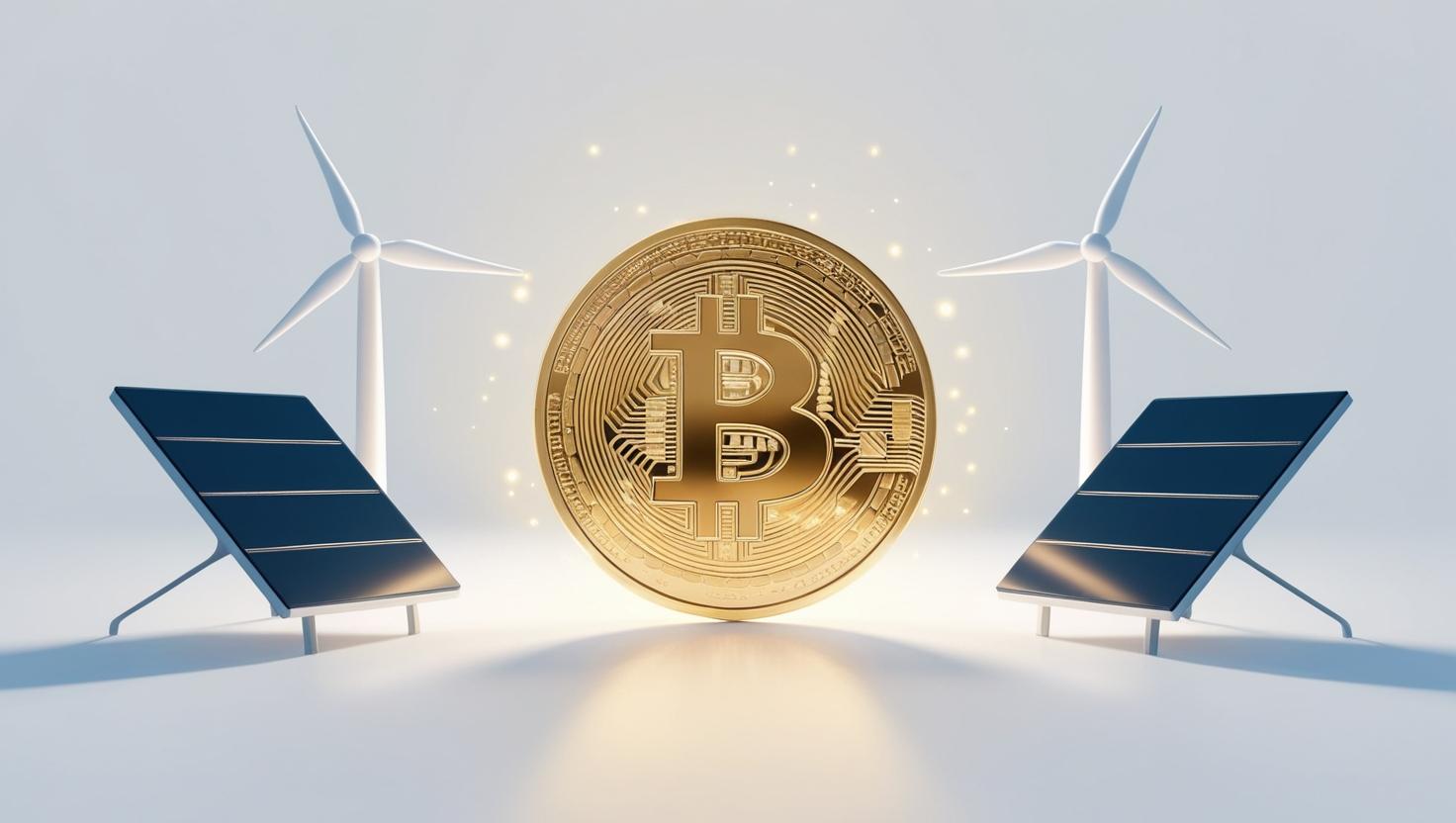
Ever caught yourself scrolling through social media, only to stumble upon yet another heated debate about Bitcoin and its supposed apocalyptic energy drain? I remember the first time I dove into crypto—it was like stepping into a whirlwind of misinformation. Picture this: I’m at a family barbecue, and my uncle, who’s convinced Bitcoin is single-handedly melting the polar ice caps, starts grilling me about it. That awkward moment sparked my own deep dive, and now, as someone who’s geeked out on Bitcoin guides for years, I’m here to chill things out and set the record straight. Let’s unpack these myths in a laid-back way, shall we?
Bitcoin’s energy use isn’t as wasteful as you might think, but it’s a complex topic wrapped in hype and half-truths. Many myths stem from oversimplified comparisons, like claiming Bitcoin consumes more power than a small nation. In reality, while it does demand significant energy, innovations and greener practices are evolving rapidly, making it far from the energy hog it’s often portrayed as. This guide cuts through the noise to help you understand the facts—think of it as your chill companion for navigating Bitcoin’s eco-story.
One of the biggest myths floating around is that Bitcoin mining is just a bunch of computers guzzling electricity like there’s no tomorrow, outpacing entire countries. I’ve heard folks compare it to the energy use of nations like Argentina or the Netherlands, which sounds dramatic, but let’s break it down with some real talk. For starters, those figures often come from outdated estimates or cherry-picked data. According to recent analyses, Bitcoin’s network energy consumption is substantial, but it’s not the villain in the room when you factor in global energy stats. We’re talking about a system that’s decentralized and secure, relying on proof-of-work to prevent fraud—imagine trying to secure the world’s transactions without a robust backbone. It’s like saying your smartphone is wasteful because it needs a battery; sure, it does, but it’s powering something revolutionary.
Why the Energy Hype Feels Overblown
Okay, let’s get into the nitty-gritty. A lot of the buzz comes from reports that highlight Bitcoin’s carbon footprint without context. For instance, people love throwing around numbers from the Cambridge Bitcoin Electricity Consumption Index, which pegs the network’s annual energy use at around 121 terawatt-hours. But hold up—what about the energy chomped by traditional banking or gold mining? Bitcoin energy myths often ignore that the financial sector as a whole is a massive energy consumer, with data centers and payment systems rivaling crypto in power draw. I once read a study that compared it to the video gaming industry; both are energy-intensive, yet we don’t demonize gamers for their rigs. The key is perspective—Bitcoin’s energy isn’t “wasted”; it’s invested in maintaining a borderless, censorship-resistant ledger that empowers millions.
Effective Ways to Track Bitcoin PricesTo add a bit of cultural flavor, think about how memes like the “Bitcoin vs. the Environment” ones on Twitter have shaped perceptions. They’re funny, sure, but they oversimplify things. In places like Iceland or Canada, where renewable energy is abundant, Bitcoin mines are actually tapping into excess hydro or geothermal power that might otherwise go unused. It’s like turning leftover dinner into a gourmet snack—resourceful, not reckless. And here’s a creative metaphor: Bitcoin mining is more like a high-stakes video game than a mindless energy suck; players (miners) compete to solve puzzles, and the rewards drive innovation, including shifts toward sustainable practices.
The Real Scoop on Bitcoin’s Carbon Footprint
Diving deeper, let’s address the elephant in the room: emissions. Critics point to coal-powered mines in China (before the ban, anyway), but globally, the network is greening up. Reports from entities like the Bitcoin Mining Council show that over 50% of Bitcoin’s energy now comes from renewables, a figure that’s climbing. It’s not perfect, but it’s progress—kind of like how we’ve moved from gas-guzzlers to electric cars in the auto world. If you’re into Bitcoin guides, you’ll appreciate how this evolution ties into broader tech trends, making crypto more accessible and less guilt-inducing for everyday users.
Now, for a quick comparison, let’s lay out a simple table to put things in perspective. This isn’t about overwhelming you with data, but giving you a relaxed visual aid:
| Entity | Annual Energy Use (TWh) | Key Insight |
|---|---|---|
| Bitcoin Network | ~121 | Decentralized security with growing renewable adoption |
| Global Banking | ~100-200 (estimates vary) | Includes data centers and operations, often overlooked |
| Gold Mining | ~250 | Resource-intensive for a finite asset |
See? When you line it up like that, Bitcoin doesn’t look so out of place. And as Bitcoin evolves—hello, potential shifts to proof-of-stake in other cryptos—efficiency is on the rise.
Evaluating Bitcoin as a Store of ValueHow Bitcoin is Stepping Up Its Green Game
Alright, let’s shift gears to the positive vibes. The community is all about innovation, from using stranded energy in remote areas to partnering with solar farms. I once chatted with a miner who set up operations in Texas using wind power; it’s like Bitcoin is adapting to the world’s push for sustainability, not fighting it. For anyone exploring Bitcoin guides, knowing this stuff makes you feel empowered, not overwhelmed. Plus, tools like energy tracking apps let users see the real impact, turning awareness into action without the doom and gloom.
In a world buzzing with tech, it’s easy to get caught in the myths, but Bitcoin’s story is one of adaptation. Wrapping this up on a thoughtful note, have you ever wondered how your daily habits stack up against the bigger energy picture? Maybe it’s time to explore more Bitcoin resources and see for yourself how it’s not the energy monster it’s made out to be—your next crypto adventure awaits.
Quick FAQ on Bitcoin Energy Myths
Q: How much energy does Bitcoin actually use compared to other industries? A: Bitcoin uses about 121 TWh annually, similar to some countries, but it’s on par with sectors like banking or manufacturing. The key is that it’s increasingly powered by renewables, making it more efficient over time.
Q: Is Bitcoin making efforts to reduce its environmental impact? A: Absolutely—many mines now use green energy sources, and the network is exploring alternatives like proof-of-stake to cut down on energy needs, showing real commitment to sustainability.
Detailed Steps for Bitcoin Wallet Creation