
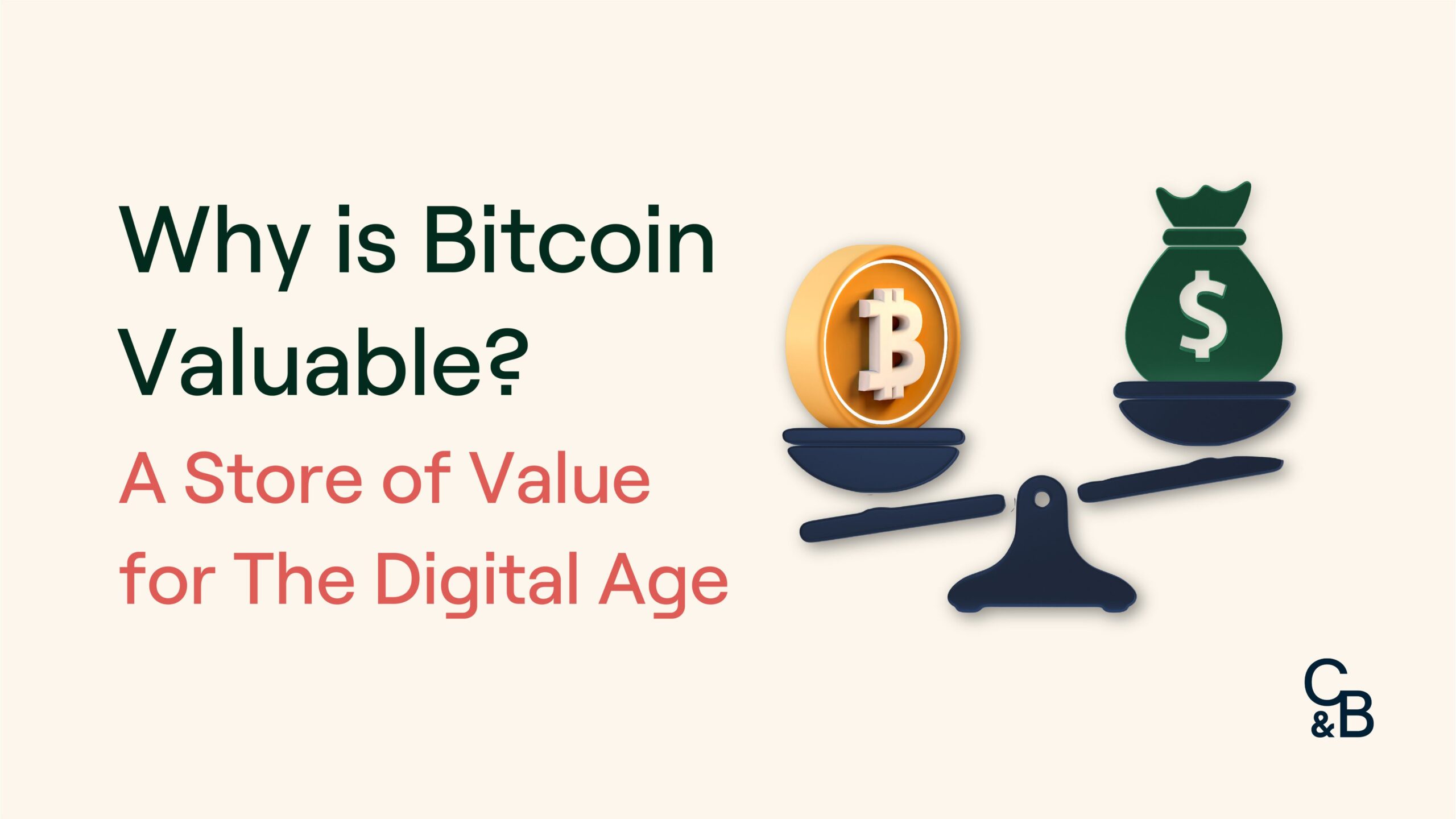
Ever since I stumbled upon Bitcoin back in 2015, sipping coffee at a quirky little shop in Austin, I’ve been hooked on its wild ride. My buddy, a tech geek with a penchant for memes, likened it to “digital gold hiding in your phone,” and that stuck with me. But as I dug deeper, I started wondering: is Bitcoin really a solid store of value, or just another flashy trend? Let’s kick back and unpack this together, evaluating Bitcoin’s potential without the hype, just straight talk from someone who’s seen the ups and downs.
Evaluating Bitcoin as a store of value boils down to asking if it can hold and grow your wealth over time, much like gold or real estate. In a nutshell, Bitcoin’s scarcity—capped at 21 million coins—makes it intriguing, but its wild price swings keep things unpredictable. From my own dabbling, I’d say it’s like that reliable old car in your garage: it might appreciate, but you never know when it’ll hit a pothole. This digital asset has real potential, especially in inflationary times, as it offers a decentralized way to preserve purchasing power.
What Makes Something a Store of Value Anyway?
Picture this: you’re at a flea market, eyeing that vintage record player. You buy it not just for fun, but because you think it’ll hold its worth or even gain value down the line. That’s the essence of a store of value—something that maintains stability and resists erosion from inflation or economic chaos. For Bitcoin, it’s all about its underlying tech: the blockchain ensures it’s tamper-proof and scarce, which echoes the appeal of precious metals. But unlike gold, which has centuries of history, Bitcoin’s only been around since 2009, making it feel like a rebellious upstart in the financial world.
From a relaxed perspective, I’ve noticed how cultural shifts, like the rise of NFTs and crypto memes on Twitter, have boosted Bitcoin’s street cred. Remember the “to the moon” frenzy during the 2021 bull run? It was equal parts exciting and eye-rolling, showing how community hype can inflate perceived value. Yet, for it to truly stack up as a store of value, it needs durability. Think about it: gold doesn’t crash because of a tweet, but Bitcoin has—multiple times. Still, its fixed supply acts as a hedge against fiat currency devaluation, a point that hits home for anyone who’s watched their savings shrink amid rising costs.
Detailed Steps for Bitcoin Wallet CreationWhy Bitcoin Gets the Spotlight as a Potential Store of Value
Diving deeper, Bitcoin’s core strength lies in its scarcity and decentralization. With only 21 million coins ever to be mined, it’s designed to mimic rare commodities, earning it nicknames like “digital gold” in online forums. I once read a thread on Reddit where folks shared stories of early adopters turning a few bucks into fortunes, and it got me thinking about how this scarcity could protect against inflation—especially now, with central banks printing money like it’s going out of style.
But let’s not gloss over the rough edges. Volatility is Bitcoin’s shadow side; prices can swing 10% in a day, which feels like riding a rollercoaster blindfolded. In my experience, that’s where the real evaluation comes in—balancing the upside of potential gains with the downside of uncertainty. For instance, during the 2017 boom, I knew people who saw Bitcoin as their ticket to early retirement, only to face heartbreak in the crash. It’s a reminder that while Bitcoin offers portability and 24/7 global access, it demands a cool head and a long-term view.
The Pros and Cons: A Balanced Look
On the plus side, Bitcoin’s immune to government meddling, making it a go-to for folks in unstable economies—think Venezuela or Argentina, where it’s helped preserve wealth amid hyperinflation. I recall a documentary about a family using Bitcoin to escape currency controls, and it was a eye-opener on its real-world utility. Plus, with growing institutional adoption, like big banks adding it to their portfolios, it’s gaining legitimacy as a store of value.
Yet, the cons are hard to ignore. High energy consumption for mining raises environmental eyebrows, and regulatory risks could tank its value overnight. Here’s a quick table to chew on, comparing Bitcoin to traditional stores of value:
Strategies for Bitcoin Diversification| Aspect | Bitcoin | Gold |
|---|---|---|
| Scarcity | Fixed at 21 million coins | Limited supply, but mineable |
| Volatility | High, influenced by market sentiment | Lower, more stable historically |
| Accessibility | Easily transferable via apps | Requires physical storage or vaults |
| Risks | Hacking, regulation | Theft, storage costs |
This comparison shows Bitcoin’s edge in convenience, but gold’s edge in reliability—food for thought if you’re weighing your options.
How to Actually Evaluate It for Yourself
If you’re like me, always second-guessing investments, start by looking at metrics like market cap and historical performance. Tools like CoinMarketCap can give you a snapshot, but don’t stop there—consider your own risk tolerance. I remember crunching numbers during a lazy weekend, realizing that diversifying with a bit of Bitcoin alongside stocks felt right for my portfolio.
To wrap your head around it, think of evaluation as a casual chat with your future self: Will this hold value in 10 years? Factors like adoption rates and tech advancements play big roles. And hey, if you’re into guides, check out resources from Bitcoin communities that break down charts and trends without the jargon overload.
Wrapping Up with a Thoughtful Nudge
As we circle back, evaluating Bitcoin as a store of value isn’t black and white—it’s a mix of excitement and caution, like betting on a favorite band to go platinum. From my chats with fellow enthusiasts, it’s clear this crypto could reshape how we think about money, but only if you’re in it for the long haul. So, what’s your take—ready to dip your toes in, or holding out for something steadier?
Common Mistakes in Bitcoin StakingFAQ: Quick Answers on Bitcoin as a Store of Value
Is Bitcoin a safe long-term investment? It can be, thanks to its scarcity and growing use, but high volatility means it’s not for the faint-hearted. Think of it as a high-reward option if you’re patient and diversified.
How does Bitcoin compare to other assets like gold? Bitcoin offers digital ease and potential for higher returns, while gold provides more stability—it’s like choosing between a sports car and a reliable sedan for your wealth storage.
What risks should I watch out for? Key ones include price fluctuations, security hacks, and regulatory changes, so always do your homework and maybe start small to test the waters.
Ideas for Bitcoin Charitable Donations