
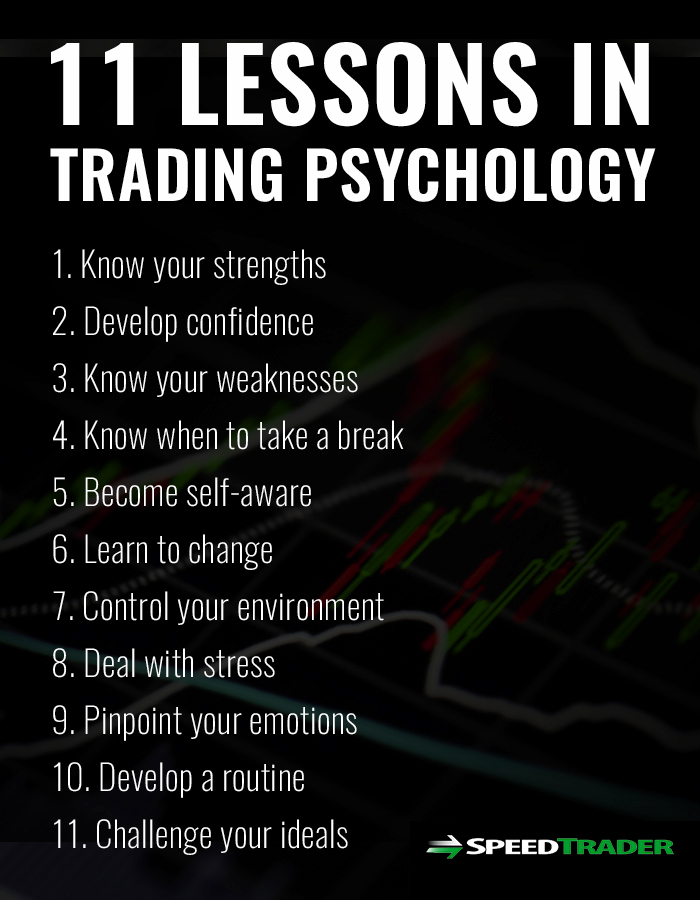
Ever had one of those days where your coffee’s still hot, but your trading screen is already a mess of regret? Yeah, me too. I’m no Wall Street wizard, but after a few rollercoaster rides in the markets, I’ve learned that day trading isn’t just about charts and candles—it’s a wild mental marathon. Let’s kick back and chat about the psychology behind it all, because getting your head straight can turn losses into lessons without the drama.
If you’re diving into day trading, picture this: you’re not battling the market; you’re wrangling your own brain. That’s the core of it. Day trading psychology tips aren’t some dry rules—they’re lifelines for when fear or greed starts whispering sweet nothings in your ear. In a nutshell, mastering your emotions can mean the difference between walking away with profits or nursing a bruised ego. For instance, I once jumped into a trade too early, hyped up on a social media tip, only to watch it tank faster than my weekend plans. Ouch, but it taught me the value of staying cool under pressure.
Okay, let’s break this down. First off, understanding the emotional rollercoaster of day trading. It’s like trying to surf: one wave lifts you high, the next dumps you in the drink. Traders often grapple with fear of missing out (FOMO) or the dread of loss, which can lead to impulsive decisions. Think about how a simple red candle can trigger that pit in your stomach—it’s biology, really, our brains are wired for survival, not for staring at flickering screens. To counter this, start by building awareness. Journal your trades daily, noting not just the numbers, but how you felt. Was that sell button a knee-jerk reaction or a calculated move? Over time, you’ll spot patterns, like how I realized my afternoon slumps often led to bad calls, so now I step away for a breather.
Next up, key tips for keeping your cool. Here’s where things get practical. One golden rule is to set strict rules—yeah, I know, sounds boring, but hear me out. Define your entry and exit points before the market opens, and stick to them like your favorite Netflix binge. This curbs the “just one more trade” impulse. Another trick? Practice mindfulness or even quick meditation apps; they’re not woo-woo, they’re tools. I remember scrolling through Reddit threads where folks shared how a five-minute breathing exercise saved them from a panic sell. It’s about creating that mental buffer, turning reactive mode into proactive play. And don’t forget, losses are part of the game—treat them as tuition fees, not personal failures.
Automated Systems for Efficient TradingNow, let’s talk common pitfalls and how to dodge them. Overconfidence is a sneaky one; after a win, you might feel invincible and overtrade, only to crash hard. Or revenge trading—trying to “make back” losses quickly, which is like chasing a bus you just missed; it rarely works. To avoid this, implement a daily loss limit. If you hit it, log off and go for a walk. I once ignored this and turned a small dip into a full-blown dive, learning the hard way that ego has no place in trading. On a lighter note, ever seen those trading memes on Twitter? Like the one with the trader screaming at their screen—hilarious, but it hits home. It’s a cultural nod to how universal these struggles are, reminding us we’re all in this chaotic club together.
Building a resilient mindset for long-term success is where the real magic happens. Start small: simulate trades with paper money to build confidence without real risk. Surround yourself with a community—online forums or local meetups—where you can share stories and get support. It’s like having a buddy system for your brain. Personally, connecting with other traders helped me reframe setbacks as growth opportunities, not defeats. And here’s a creative twist: think of your trading strategy as a personal recipe, tweaking it based on what works for you, not some guru’s blueprint. After all, trading’s as unique as your favorite playlist.
One thing that often gets overlooked is the power of routine. A solid morning ritual—maybe reviewing news over coffee—sets a positive tone. But balance is key; don’t let trading consume your life. I make it a point to unplug and hit the gym, which keeps my mind fresh and less prone to those foggy decision-making sessions. If you’re curious, here’s a quick comparison to put things in perspective:
| Emotional State | Impact on Trading | Tips to Manage |
|---|---|---|
| Fear | Causes hesitation or early exits | Visualize worst-case scenarios to desensitize |
| Greed | Leads to overtrading and risks | Set profit targets and celebrate small wins |
| Confidence | Boosts focus but can turn to arrogance | Review past trades to stay grounded |
As for steps to apply these tips right away, let’s keep it straightforward:
Swing vs Scalping Approach Differences1Start your day with a quick mindset check: jot down your goals and potential triggers.
2During trades, pause before acting—ask yourself if it’s emotion or logic driving the decision.
3End the session with a reflection: what worked, what didn’t, and how you’ll adjust tomorrow.
In the end, day trading psychology boils down to this: it’s not about being perfect; it’s about being human and adaptable. So, what’s your next move—will you let your emotions call the shots, or take the wheel yourself? Either way, here’s to smoother trades ahead.
Crypto Volatility Handling TacticsFAQ: Quick Answers on Day Trading Psychology
What is the most common psychological mistake in day trading? Many traders fall into overtrading due to excitement or fear, which erodes profits over time. Focusing on quality trades rather than quantity can help build better habits.
How can beginners build mental resilience? Start with simulated trading to gain experience without real losses, and incorporate daily routines like journaling to track and learn from emotions.
Is therapy useful for traders? Absolutely, especially if stress is overwhelming—many pros use it to maintain a clear head, turning potential weaknesses into strengths for the long game.
Stock Selection Criteria for Investors