
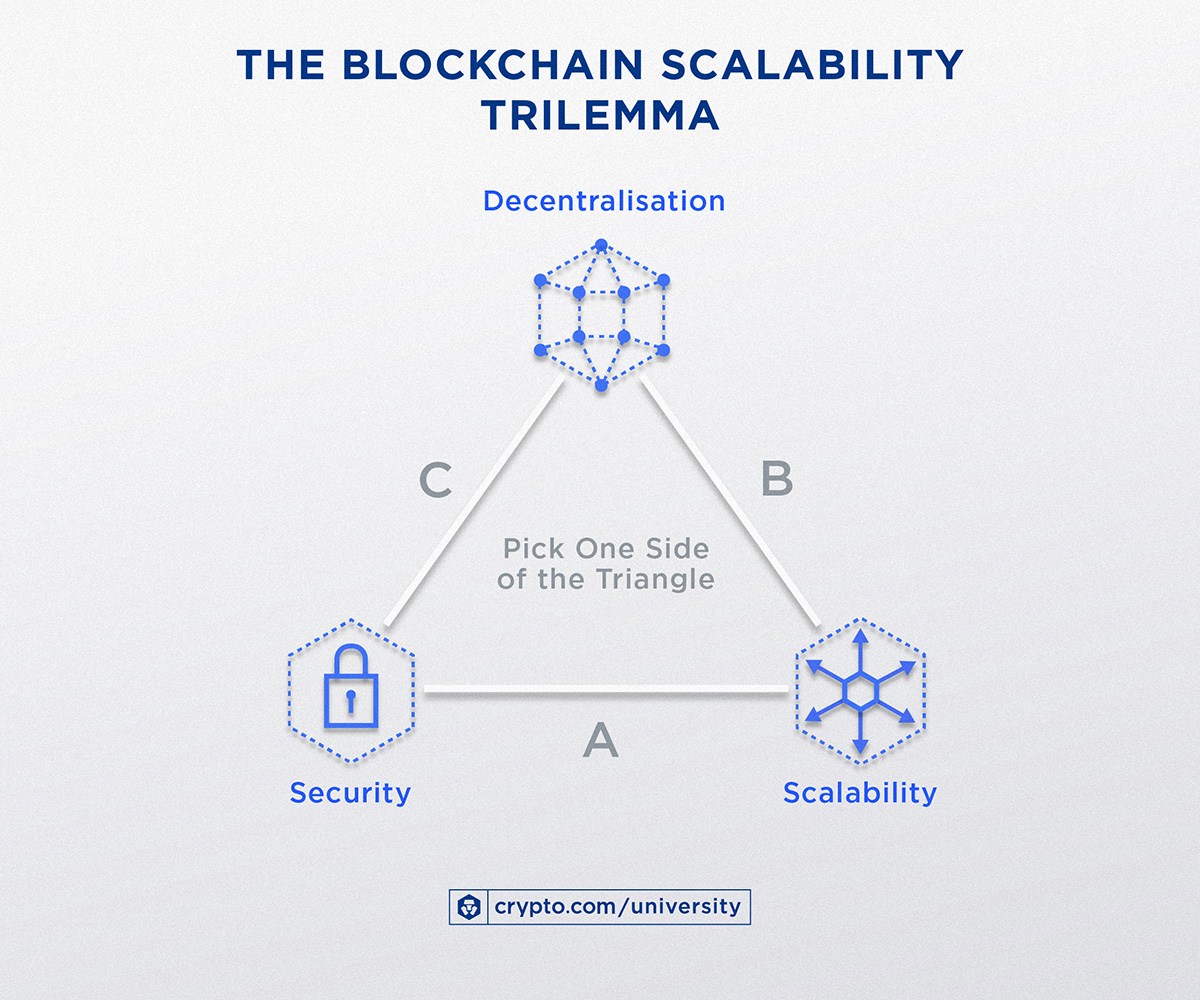
Ever felt like you’re stuck in digital traffic jams every time you try to make a crypto transaction? It’s frustrating, right? Picture this: you’re all excited to buy that digital art piece or send some tokens to a friend, but the blockchain network is crawling slower than a snail on a lazy Sunday. That’s the real deal with blockchain scalability problems – it’s not just tech jargon; it’s a everyday headache for users and developers alike. In this guide, we’re diving into how to untangle these knots, making blockchain faster and more efficient without losing its core magic.
Solving blockchain scalability problems boils down to boosting transaction speeds and handling more data without clogging the system. Essentially, it’s about scaling up networks like Ethereum or Bitcoin so they can process thousands of transactions per second, much like upgrading from a single-lane road to a multi-lane highway. This approach keeps everything secure and decentralized while cutting down on fees and wait times – a win for everyone involved.
Let’s break it down further. Blockchain’s original design, brilliant for security and trust, often hits walls when demand spikes. Think of it as your favorite coffee shop during rush hour: great when it’s quiet, but chaos when everyone’s lining up. The key issues stem from limited block sizes, consensus mechanisms that take time, and network congestion. But don’t worry; innovative solutions are popping up everywhere, turning these bottlenecks into opportunities for growth.
Why Blockchain Gets Bogged Down in the First Place
Imagine building a house with only a hammer – it works for a small project, but add more rooms and you’re in trouble. That’s blockchain in a nutshell. Early protocols like Bitcoin’s Proof of Work require massive computational power, leading to slow confirmations and high energy use. We’ve seen this play out in real time, with networks grinding to a halt during crypto booms, like the NFT craze that had artists and collectors waiting hours. It’s not just annoying; it stifles innovation, making people question if blockchain can handle mainstream adoption.
Blockchain in Supply Chain ExplorationFrom a cultural angle, it’s like how memes spread on social media – fun at first, but overwhelming when everyone jumps in. Take the Ethereum network: it’s the backbone of DeFi and NFTs, yet it struggled with scalability, inspiring jokes about “gas fees” that could fund a small country’s economy. These problems aren’t inevitable; they’re fixable with smarter designs that distribute the load without compromising on that decentralized ethos we all love.
Top Solutions to Level Up Blockchain Efficiency
Alright, let’s get practical. One cool fix is sharding, where the blockchain is split into smaller, manageable pieces – think of it as dividing a massive pizza into slices so more people can eat at once. This lets different parts of the network process transactions independently, slashing wait times dramatically. For instance, Ethereum 2.0 is rolling this out, aiming to handle up to 100,000 transactions per second. It’s a game-changer, especially for apps that need speed, like gaming or real-time payments.
Another angle is layer-2 solutions, like Lightning Network for Bitcoin or Polygon for Ethereum. These act as express lanes on the highway, handling transactions off the main chain and only settling the big stuff back on it. I once used Lightning for a quick Bitcoin transfer – it felt instant, no fees eating into my wallet. Plus, there’s Proof of Stake, which swaps out energy-intensive mining for staking coins, making the whole process greener and faster. By varying these methods, we’re not just patching holes; we’re rebuilding the foundation for a smoother ride.
Real-World Examples That Are Making Waves
Let’s sprinkle in some stories to keep things lively. Take Solana, for example – it’s like that friend who always shows up on time and handles a crowd without breaking a sweat. By combining proof of history with proof of stake, Solana processes transactions at warp speed, attracting developers left and right. Or consider how Binance Smart Chain scaled up by forking Ethereum’s code and tweaking it for better performance, proving that sometimes, borrowing and innovating is the way to go.
Advanced Development Techniques for BlockchainIn a fun twist, this reminds me of how viral TikTok challenges evolve; they start simple but scale by adapting to more users. Blockchain projects are doing the same, with layer-2 protocols like Arbitrum reducing congestion on Ethereum. These aren’t just tech fixes; they’re cultural shifts, making blockchain more accessible and less of a barrier for everyday folks entering the crypto space.
| Solution | Pros | Cons |
|---|---|---|
| Sharding | Boosts speed and capacity significantly | Can introduce complexity in security |
| Layer-2 Scaling | Lowers costs and speeds up transactions | Depends on the main chain for finality |
| Proof of Stake | Energy-efficient and faster consensus | Potential for centralization if not managed well |
Peering into the Future of Scalable Blockchains
As we wrap our heads around these solutions, it’s exciting to think about what’s next. Interoperability protocols like Polkadot or Cosmos are bridging different blockchains, creating a web of networks that share resources seamlessly. It’s like turning the internet into a superhighway for data, where scalability isn’t a problem but a feature. With ongoing research, we’re moving towards a world where blockchain handles everything from global finance to supply chains without skipping a beat.
Quick Tips for Developers
If you’re tinkering with blockchain projects, start by auditing your network’s bottlenecks – maybe run some tests on testnets. Then, integrate scalable elements early, like using layer-2 for high-volume apps. It’s all about building with the future in mind, keeping things adaptable and user-friendly.
FAQ: Common Questions on Blockchain Scalability
What causes most scalability issues in blockchain? Mainly, it’s the consensus mechanisms and block size limits that slow things down, leading to network congestion during peak times. Solutions like sharding help by distributing the load.
Crypto Trading Advice Using BlockchainIs solving scalability expensive? Not always – many open-source tools are free, but implementing them might require developer time or upgrades. The long-term benefits, like reduced costs, make it worthwhile.
Will these solutions affect blockchain’s security? Good ones enhance security by reducing single points of failure, but it’s crucial to test thoroughly to avoid new vulnerabilities.
And just like that, we’ve unraveled the mystery of blockchain scalability, turning potential roadblocks into open roads. So, what’s your next move – diving into a project or just pondering the possibilities? Either way, the blockchain world is evolving, and you’re part of it.
Securing Your Blockchain Network Methods