
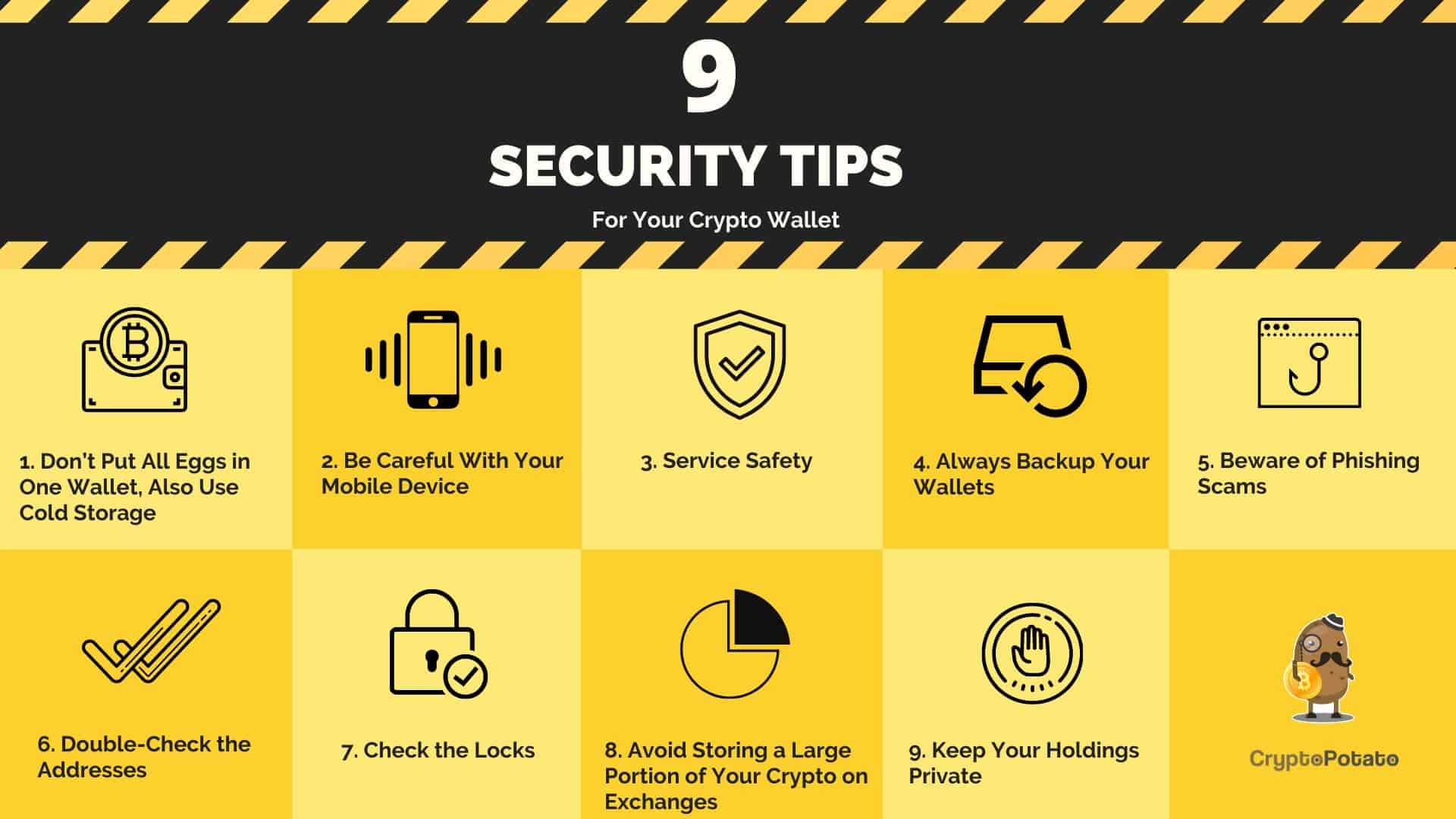
Picture this: I’m sitting at my desk, sipping on a cold brew, scrolling through my crypto app when suddenly, I remember that time my buddy lost a chunk of his altcoins because he forgot to secure his wallet properly. It was like watching a bad movie unfold—full of regret and “what ifs.” But hey, we’re all learning in this wild world of altcoins, right? Today, let’s chat about keeping your altcoin wallets locked down tight, in a way that’s as easygoing as a Sunday afternoon. We’ll cover the essentials without getting too technical, because who needs more stress when dealing with digital gold?
To keep your altcoins safe from hackers, scammers, and your own forgetful moments, start with the basics: use a strong, unique password, enable two-factor authentication on every account, and always back up your wallet in a secure spot. It’s that straightforward—think of it as buckling up before a road trip. In just a few steps, you can shield your investments and sleep a little easier at night.
The Lowdown on Altcoin Wallets and Why They Need Extra Love
Altcoins, those quirky cousins of Bitcoin, come with their own set of thrills and risks. From Ethereum’s smart contracts to the latest meme-inspired tokens, they’re everywhere these days. But here’s the thing: unlike your old-school bank account, altcoin wallets are digital playgrounds that hackers love to crash. I mean, imagine your wallet as a fancy treehouse—cool to hang out in, but without solid locks, anyone’s invited to the party.
Diving deeper, most altcoin wallets fall into software or hardware categories. Software ones, like apps on your phone, are super convenient but as vulnerable as leaving your front door unlocked. Hardware wallets? They’re like those sturdy safes you see in spy movies—offline and out of reach from online threats. Whichever you choose, the key is understanding that security isn’t just a feature; it’s your best buddy in the crypto game. And let’s not forget, with altcoins booming, so are the bad actors—last year alone, crypto hacks topped billions, making this chat more timely than ever.
Transitioning Seamlessly to AltcoinsSimple Steps to Fortify Your Wallet Like a Pro
Alright, let’s get hands-on. Securing your altcoin wallet doesn’t have to feel like decoding a secret message. Start with strong passwords and phrases: Mix uppercase, lowercase, numbers, and symbols—nothing obvious like “password123.” Oh, and for those seed phrases wallets give you? Treat them like the family jewels. Write them down, store them offline, and never, ever share them online. It’s like hiding your spare key under a rock, but way smarter.
Next up, crank up that two-factor authentication (2FA). It’s as easy as getting a code on your phone every login, adding an extra layer that thwarts most intruders. I once dodged a sketchy login attempt thanks to 2FA—it felt like winning a small battle. If you’re into mobile wallets, enable biometric options like fingerprint or face ID for that personal touch.
Now, for the step-by-step setup—let’s break it down in a relaxed flow:
1Download a reputable wallet app or device from official sources only. Avoid those shady links that pop up in your email—think of it as only eating at trusted food trucks.
Optimizing Altcoin Transactions Efficiently2Create your wallet with a complex password and safely store your seed phrase. Pro tip: Use a password manager app to keep things organized without the headache.
3Enable 2FA and set up regular backups. Schedule it like your weekly coffee run—maybe every Friday, just to keep it fresh.
4Keep your software updated; those patches fix vulnerabilities faster than you can say “blockchain.”
Comparing Wallet Options: Which One Fits Your Vibe?
Not all wallets are created equal, and picking the right one can be like choosing the perfect pair of sneakers—comfort and security matter. Let’s lay it out in a quick table to make it crystal clear:
Altcoin Volatility Analysis Techniques| Wallet Type | Pros | Cons | Best For |
|---|---|---|---|
| Software (e.g., Exodus, Atomic) | Easy access, user-friendly interfaces, often free | More exposed to online threats, requires constant vigilance | Beginners or frequent traders |
| Hardware (e.g., Ledger, Trezor) | Offline storage, high security, protects against hacks | Costs money upfront, less convenient for daily use | Long-term holders or big investors |
| Paper Wallets | Ultra-simple, no tech needed, immune to cyber attacks | Easily lost or damaged, not practical for transactions | Archiving or cold storage enthusiasts |
As you can see, it’s all about balancing convenience with caution. If you’re like me, starting with a software wallet for quick moves and graduating to hardware for the serious stuff makes total sense.
Pro Tips to Level Up Your Altcoin Defense
Once you’ve got the basics down, let’s amp it up. Use a VPN to mask your IP address when trading—it’s like wearing a disguise in a crowded market. And don’t overlook phishing scams; those fake emails are as common as cat videos online. Always double-check URLs and avoid clicking suspicious links; I lost a friend to one of those, and it’s a story that still stings.
Another gem: Regularly audit your transactions. Tools like blockchain explorers let you track your altcoins’ movements, adding a layer of transparency that’s reassuring. Oh, and if you’re into that cultural nod, think of it like checking your social media for fake followers—staying vigilant keeps the fakes at bay.
Wrapping This Chat on a High Note
As we ease out of this guide, imagine unlocking a treasure chest of altcoins without the fear of it vanishing overnight. You’ve got the tools now, so what’s stopping you from making your wallet fortress-like? Maybe grab that cold brew and double-check your setup—who knows, it might just save your digital future.
Best Exchanges for Beginner AltcoinsFAQ: Quick Answers to Common Queries
Q: How often should I back up my altcoin wallet? A: Aim for every few months or after major transactions—it’s like backing up your phone photos, but for your crypto wealth.
Q: Is a hardware wallet worth the investment? A: Absolutely, if you’re holding significant amounts; it’s the equivalent of upgrading from a bike lock to a vault for your valuables.
Q: What if I suspect my wallet’s been compromised? A: Transfer your assets to a new wallet immediately and change any linked passwords—think of it as changing locks after losing your keys.