
Ever dipped your toes into the wild world of Forex trading only to feel like you’re walking a tightrope without a net? Yeah, me too. Picture this: I’m sitting in my cozy home office, coffee in hand, staring at charts that look more like abstract art than a path to profit. That was my introduction to Forex—excitement mixed with a healthy dose of “what if I lose it all?” It’s a story many traders share, and it’s exactly why nailing down risk management isn’t just a fancy term; it’s your best buddy in the market. Today, we’re diving into the essentials of risk management in Forex trading, keeping things light and real, because let’s face it, trading doesn’t have to feel like a high-stakes thriller every single time.
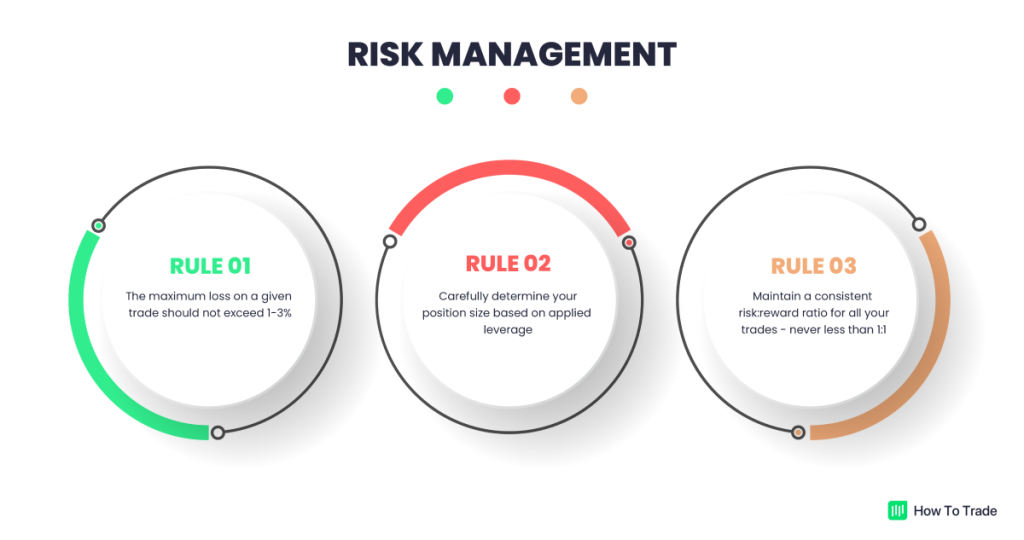
In the heart of Forex trading, risk management is that unsung hero that keeps your portfolio from turning into a horror story. It’s all about protecting your hard-earned cash while chasing those elusive gains. If you’re wondering, “How do I actually handle risks without losing my cool?”—well, here’s a straightforward answer in about 50 words: Effective risk management in Forex involves setting stop-loss orders, diversifying your trades, and never risking more than 1-2% of your capital per trade, ensuring you stay in the game even when the market throws curveballs. That’s the core—simple, essential, and oh-so-crucial for long-term success.
Why Risk Management Feels Like Your Trading Safety Net
Let’s get real for a second: Forex isn’t just about predicting currency swings; it’s about surviving the unexpected. I once knew a trader who ignored risks, thinking he was invincible—spoiler, he wasn’t. He jumped into trades based on gut feelings, only to watch his account dwindle faster than ice cream on a hot day. That’s the kind of wake-up call that makes you appreciate risk management as your personal safety net. By limiting potential losses, you’re not just playing defense; you’re building a foundation that lets you trade with confidence, turning volatile markets into opportunities rather than threats.
Think of it like planning a road trip: You wouldn’t hit the highway without checking your tires or packing an emergency kit, right? In Forex, that means using tools like position sizing to decide how much to wager on each trade. It’s not about being overly cautious—it’s about being smart. And here’s a fun twist: Ever heard of the “turtle traders” from the 1980s? These ordinary folks were trained to follow strict risk rules, and many ended up millionaires. It’s a cultural nod to how discipline beats intuition every time, proving that even in the digital age of memes and TikTok tips, old-school wisdom still rocks.
Best Platforms for Day Trading ComparedKey Strategies to Keep Your Trades Chill and Controlled
Alright, let’s break this down without the jargon overload. One essential strategy is the good old stop-loss order—it’s like setting a boundary in a conversation that says, “Okay, that’s enough for today.” By automatically closing a trade when it hits a certain loss level, you’re preventing a bad day from turning into a disaster. Then there’s diversification: Don’t put all your eggs in one currency basket. Mix it up with majors like EUR/USD and some exotics if you’re feeling adventurous, but always with calculated exposure.
For a bit more depth, consider leveraging. It’s tempting to amp up your trades for bigger wins, but in a relaxed tone, I’d say it’s like adding spice to your meal—too much, and you’re in for heartburn. Stick to a leverage ratio that matches your experience, often 1:10 or less for beginners, to avoid the amplified risks that can sour your trading journey. And don’t forget about risk-reward ratios; aim for at least 1:2, meaning for every dollar you risk, you target two in potential profit. It’s a simple way to ensure that even if not every trade wins, you’re still ahead in the long run.
| Strategy | Pros | Cons |
|---|---|---|
| Stop-Loss Orders | Automates protection, reduces emotional decisions | Can trigger on short-term volatility |
| Diversification | Spread out risks across assets | Requires more research and monitoring |
| Leverage Control | Maximizes potential with less capital | Increases loss potential if not managed |
Now, if you’re stepping into advanced waters, try incorporating a trading journal. It’s like keeping a diary of your market adventures—note what worked, what didn’t, and why. This reflective practice helps you spot patterns and refine your approach, all while keeping things light-hearted.
Steering Clear of Common Pitfalls in a Laid-Back Way
We’ve all been there: Overtrading because the market’s buzzing, or holding onto a losing position hoping for a miracle. But in the spirit of keeping it relaxed, let’s call these out as the sneaky traps they are. One biggie is emotional trading—letting fear or greed drive your decisions. Instead, build habits like daily reviews to stay objective. And for those just starting, remember the 1% rule: Never risk more than 1% of your account on a single trade. It’s a guideline that keeps the pressure low and your sanity intact.
Profitable Swing Trading Patterns IdentifiedIf you’re outlining a basic plan, here’s how it might look:
1Assess your overall capital and set a maximum risk per trade.
2Choose your trades based on solid analysis, not vibes.
3Implement stop-loss and take-profit levels before entering.
Overcoming Emotional Barriers in Trading4Review and adjust your strategy after each session.
Wrapping Up with a Fresh Perspective on Forex Adventures
As we ease out of this chat, imagine trading as that favorite hobby you tinker with on weekends—fulfilling, but with safeguards in place. Risk management isn’t about dampening the fun; it’s about making sure you can keep playing. So, what’s your next move in this ever-shifting currency game? Maybe it’s time to tweak that strategy and see how it unfolds—who knows, you might just turn those risks into your greatest ally.
FAQ
What is the most important rule in Forex risk management? The golden rule is to never risk more than you can afford to lose, typically capping it at 1-2% per trade to protect your capital and maintain longevity in trading.
How does economic news affect risk in Forex? Economic events can cause wild swings, so always check calendars and adjust your positions; it’s like bracing for weather changes before a hike.
Advanced Crypto Strategies for GrowthCan beginners handle risk management effectively? Absolutely, by starting small, using demo accounts, and learning basics—it’s about building confidence gradually, just like picking up any new skill.