
Ever since I stumbled upon Bitcoin back in 2015, during a late-night scroll through some crypto forums, I’ve been fascinated by how quickly stories twist and turn around it—like that time I thought Satoshi Nakamoto was some elusive tech wizard living in a mountain hideaway, only to realize the truth was way more grounded. It’s wild how myths can spread faster than a viral meme, right? In this guide, we’re diving into the real deal of Bitcoin’s history, separating the solid facts from the fluffy fiction, because let’s face it, understanding the truth makes navigating the crypto world a whole lot less intimidating.
Bitcoin history facts versus fiction boils down to this: Satoshi Nakamoto launched the Bitcoin whitepaper in 2008 as a response to the financial crisis, aiming for a decentralized system free from banks. That’s the core truth, clocking in at about 2009 for the first block mined, while myths often paint it as an overnight sensation or a secret government plot. In reality, it was a gradual evolution built on years of cypherpunk ideals and open-source collaboration, not some Hollywood-style invention.
The True Genesis of Bitcoin: No Superheroes Involved
Picture this: It’s not like in the movies where a lone genius cracks the code in a dimly lit room. Bitcoin’s origins are more like a community potluck, where ideas from various tech enthusiasts simmered together. Satoshi Nakamoto, whoever they really are—probably a group or an individual still in hiding—published that famous whitepaper in October 2008. It wasn’t about striking gold instantly; it was about creating a peer-to-peer electronic cash system to fix the mess of traditional banking. I remember reading about it and thinking, “Wait, this could actually work?” And it did, with the first Bitcoin transaction happening in 2010, when Laszlo Hanyecz bought two pizzas for 10,000 BTC—now a legendary meme in crypto circles, reminding us that real history often starts with something as everyday as ordering food.
But here’s where fiction creeps in: Stories love to exaggerate Satoshi as a mythical figure, like a digital Batman. In truth, their identity remains unknown, which fuels endless speculation, from wild theories about it being Elon Musk to more plausible ones involving early cryptographers. Digging deeper, Bitcoin built on concepts like digital signatures and proof-of-work, concepts that date back to the 1990s. It’s not fiction; it’s evolution, and understanding this helps when you’re guiding newcomers through Bitcoin basics, emphasizing that it’s a tool, not a magic beanstalk.
Fixes for Common Bitcoin Transfer ProblemsDebunking the Top Myths: Let’s Keep It Real
Okay, let’s get into the nitty-gritty. One big myth is that Bitcoin is anonymous and untraceable—pure fiction. In reality, while transactions are pseudonymous, they’re recorded on a public blockchain, making it possible for experts to trace them with the right tools. I’ve seen folks on Reddit panic about this, thinking they’re invisible online, but as a guide, I always stress: Use it wisely, like mixing services if privacy’s your thing, but don’t bet on total secrecy.
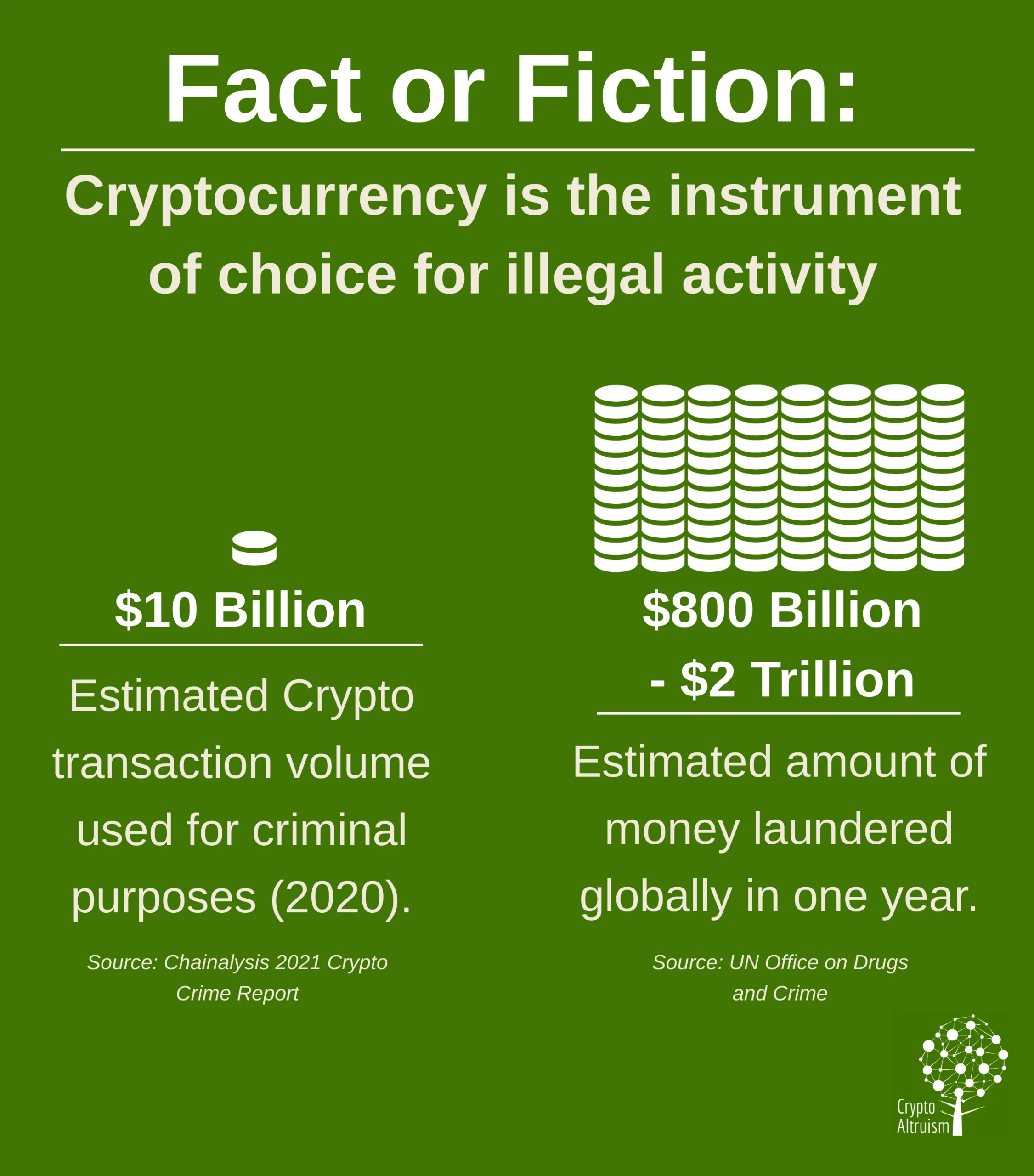
Another tall tale? That Bitcoin was designed to make a few people rich overnight. Sure, early adopters hit the jackpot, but the facts show it was meant as a store of value and a hedge against inflation, inspired by gold standards. Think of it as a slow-burning fire, not a fireworks show. And don’t even get me started on the “Bitcoin is only for criminals” narrative— that’s straight from outdated headlines. In truth, it’s used for everything from remittances in developing countries to everyday payments, proving its legitimacy. To vary this guide, let’s throw in a quick table to compare facts and fictions visually:
| Fact | Fiction |
|---|---|
| Bitcoin’s blockchain is transparent and immutable. | It’s a secret network for illegal activities. |
| Satoshi Nakamoto’s identity is unknown, but the tech is verifiable. | Satoshi is a single person with a grand conspiracy. |
| Early Bitcoin value was speculative, growing steadily over time. | It was an instant path to wealth for everyone involved. |
This comparison highlights how sticking to facts can guide your Bitcoin journey without the hype. Now, if you’re new, remember: Educate yourself on wallets and security before diving in.
How These Myths Impact Modern Bitcoin Use
Shifting gears a bit, it’s interesting how these fictions linger in pop culture, like in TV shows where Bitcoin is the go-to for hackers—echoing that old Silk Road drama. But in real life, as a Bitcoin guide, I focus on practical stuff: How understanding the true history helps you spot scams or make informed investments. For instance, knowing the 2014 Mt. Gox hack was a real event, not some made-up tale, teaches us about the importance of secure exchanges. It’s like learning from a bumpy road trip; you appreciate the destination more.
Comparative Review of Bitcoin and RippleKey Facts Every Bitcoin Enthusiast Should Know
To wrap up this section smoothly, let’s hit the essentials. Bitcoin’s halving events, occurring roughly every four years, reduce mining rewards and control supply— a fact that’s shaped its price dynamics, not some fictional market manipulation. And here’s a fun twist: The blockchain isn’t just for currency; it’s inspired tech like NFTs and smart contracts, though that’s a story for another guide. If you’re building your Bitcoin knowledge, start with reliable sources like the original whitepaper or sites like CoinDesk, avoiding the echo chambers of social media myths.
Spotting Truth in the Noise: A Beginner’s Tip Sheet
In a world buzzing with crypto trends, spotting real Bitcoin facts means questioning sources and cross-referencing info. For example, always check blockchain explorers for transaction data instead of relying on hearsay. I once fell for a false rumor about a “Bitcoin fork apocalypse,” only to learn it was minor—lesson learned. As your guide, I’m all about that relaxed vibe, sharing tips like: Diversify your holdings and stay updated via newsletters, keeping the excitement real without the drama.
For a quick FAQ to tie this together:
FAQ
- Is Bitcoin really decentralized? Absolutely, yes—it’s run by a global network of nodes, not controlled by any single entity, which is a core fact from its inception.
- What’s the biggest fiction about Bitcoin’s value? Many think it’s backed by nothing, but in truth, its value comes from scarcity, utility, and community demand, much like digital gold.
- How can I verify Bitcoin history myself? Dive into the Bitcoin blockchain via sites like Blockchain.com or read academic papers; it’s all public, making fact-checking straightforward and empowering.
And as we ease out of this chat, think about this: What’s your next move in the Bitcoin world—diving deeper or busting a myth with a friend? It’s your story to shape, grounded in reality.
Expert Predictions for Bitcoin Trends