
Ever thought about diving into the wild world of blockchain mining, only to feel overwhelmed by all the tech jargon and shiny gadgets? I remember my own first foray – picture this: me, in my cluttered home office, staring at a jumble of wires and fans, wondering if I’d accidentally built a spaceship instead of a mining rig. It’s a bit like trying to bake a cake without knowing your oven from your mixer, but once you get the hang of it, it’s oddly satisfying. Today, we’re chatting about the essential mining hardware for blockchain, keeping things light and straightforward, like a friendly guide over coffee.
Essential mining hardware boils down to the tools that turn your computer into a powerhouse for verifying transactions and securing networks. In essence, it’s about having reliable components that can crunch numbers faster than a caffeinated squirrel. For anyone stepping into blockchain mining, you’ll need a setup that’s efficient, cost-effective, and scalable – think GPUs for flexibility or ASICs for sheer power. This hardware not only drives profitability but also ensures you’re playing the game without overheating your wallet or your room.
Let’s kick things off by understanding why hardware is the heartbeat of blockchain mining. Imagine blockchain as a massive digital ledger that needs constant guardians to keep it honest. These guardians are miners, and their weapons? High-performance hardware. Without the right gear, you’re basically trying to run a marathon in flip-flops – possible, but not pretty. From my early days tinkering with Ethereum, I learned that the key is balancing power consumption with hash rates, that magical measure of how quickly your rig solves puzzles.
The Basics: What Makes Up a Solid Mining Setup
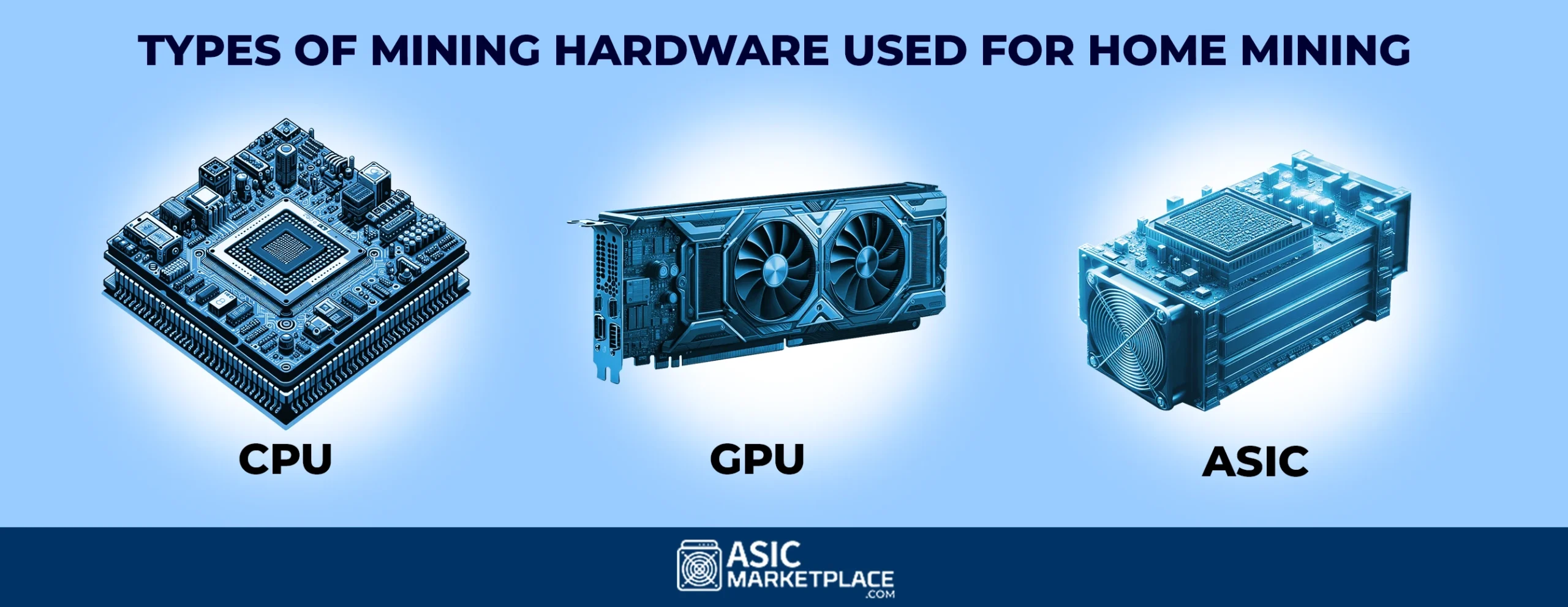
Alright, let’s break this down without getting too geeky. At its core, your mining hardware includes a few must-haves: a powerful processor, ample memory, a top-notch graphics card, and a sturdy power supply. But wait, it’s not just about slapping parts together; it’s like assembling a band where each instrument plays its part. For instance, while CPUs were the old-school choice for early Bitcoin mining, they’ve been overshadowed by more specialized gear.
Career Development in Blockchain FieldOne piece that often steals the show is the GPU, or graphics processing unit. These bad boys from NVIDIA or AMD are like the Swiss Army knives of mining – versatile for various cryptocurrencies like Ethereum or Ravencoin. I once upgraded my rig with a RTX 3080, and whoa, the difference was night and day; my hash rate jumped, making mining feel less like a chore and more like a productive hobby. Then there’s the motherboard, which acts as the nervous system, connecting everything smoothly to avoid those frustrating bottlenecks.
Types of Hardware: From ASICs to GPUs, What’s Your Pick?
When it comes to choosing hardware, it’s all about matching your style to the blockchain you’re targeting. ASICs, or Application-Specific Integrated Circuits, are the heavy hitters – designed solely for mining specific coins like Bitcoin. They’re efficient but lack the flexibility of GPUs, which can switch between algorithms faster than you switch TV channels. In a nod to pop culture, think of ASICs as the dedicated athletes in “The Hunger Games,” built for one event, while GPUs are the jacks-of-all-trades like a character in a Marvel movie.
For a quick compare, here’s a simple table to help you visualize:
| Hardware Type | Best For | Pros | Cons |
|---|---|---|---|
| ASIC Miners | Coins like Bitcoin (SHA-256) | High hash rates, energy-efficient | Limited to one algorithm, higher upfront cost |
| GPU Setups | Ethereum, altcoins (Ethash, Equihash) | Versatile, easier to upgrade | More power-hungry, potential for noise and heat |
| CPU Mining | Monero or niche coins | Low cost, accessible | Low efficiency, not profitable for major networks |
This variety means you can start small and scale up, depending on your budget and space. Personally, I started with a modest GPU rig in my garage, turning it into a mini data center – complete with that hum that becomes white noise after a while.
Understanding Blockchain Forks and UpgradesSetting Up Your Rig: A Relaxed Step-by-Step Guide
If you’re itching to get hands-on, here’s how to assemble your mining hardware without pulling your hair out. First off, gather your components: a reliable PSU, cooling fans, and your chosen processor or GPU.
1Choose a stable location with good ventilation to prevent overheating – trust me, melted components are no joke.
2Install your motherboard and connect the CPU, making sure everything’s securely fastened like you’re building a Lego set.
3Add your GPUs or ASICs, hook up the power, and double-check cables to avoid any short circuits – a simple mistake can turn your setup into a fireworks show.
Preventing Hacks in Blockchain NetworksOnce you’re up and running, monitor your rig with software like NiceHash to track performance and tweak as needed. It’s all about that fine-tuning to maximize blockchain mining efficiency.
Pro Tips: Making Smart Choices for Long-Term Success
Beyond the basics, consider factors like electricity costs – because nothing kills the fun faster than a sky-high bill. Opt for energy-efficient models to keep things sustainable, especially with global pushes for greener tech. And hey, in the spirit of internet memes, remember that meme about mining being a “get rich quick” scheme? It’s more like a marathon, so choose hardware that won’t burn out quickly.
Wrapping up this chat, what if you viewed your mining setup as a loyal sidekick in your blockchain adventure? It’s not just about the hardware; it’s about the stories you’ll tell, like how that GPU upgrade paid for your next vacation. So, are you ready to pick your tools and join the network? Dive in, experiment, and who knows, you might just mine your way to some cool rewards.
FAQs on Essential Mining Hardware
What is the most important hardware for beginners?
For newcomers, a solid GPU like an NVIDIA GeForce series is key because it’s versatile and doesn’t require a huge investment to start experimenting with different blockchains.
Errors in Smart Contract DevelopmentHow does hardware affect mining profitability?
The right hardware boosts your hash rate, which directly impacts how quickly you solve blocks and earn rewards, but always factor in electricity costs to ensure it’s worth it in the long run.
Should I buy new or used hardware?
Used hardware can save money, but check for wear and tear to avoid reliability issues – it’s like buying a second-hand car; test it out first for peace of mind.