
Ever stumbled upon a cryptic conversation about Bitcoin over coffee and felt like you were decoding ancient hieroglyphs? Yeah, me too—that’s how I first got hooked on blockchain. It’s this wild web of tech that promises to flip the script on how we handle money, data, and trust. Today, we’re kicking back and diving into an analysis of leading blockchain platforms, keeping it chill because, let’s face it, tech talk doesn’t have to feel like a lecture from a robot professor.
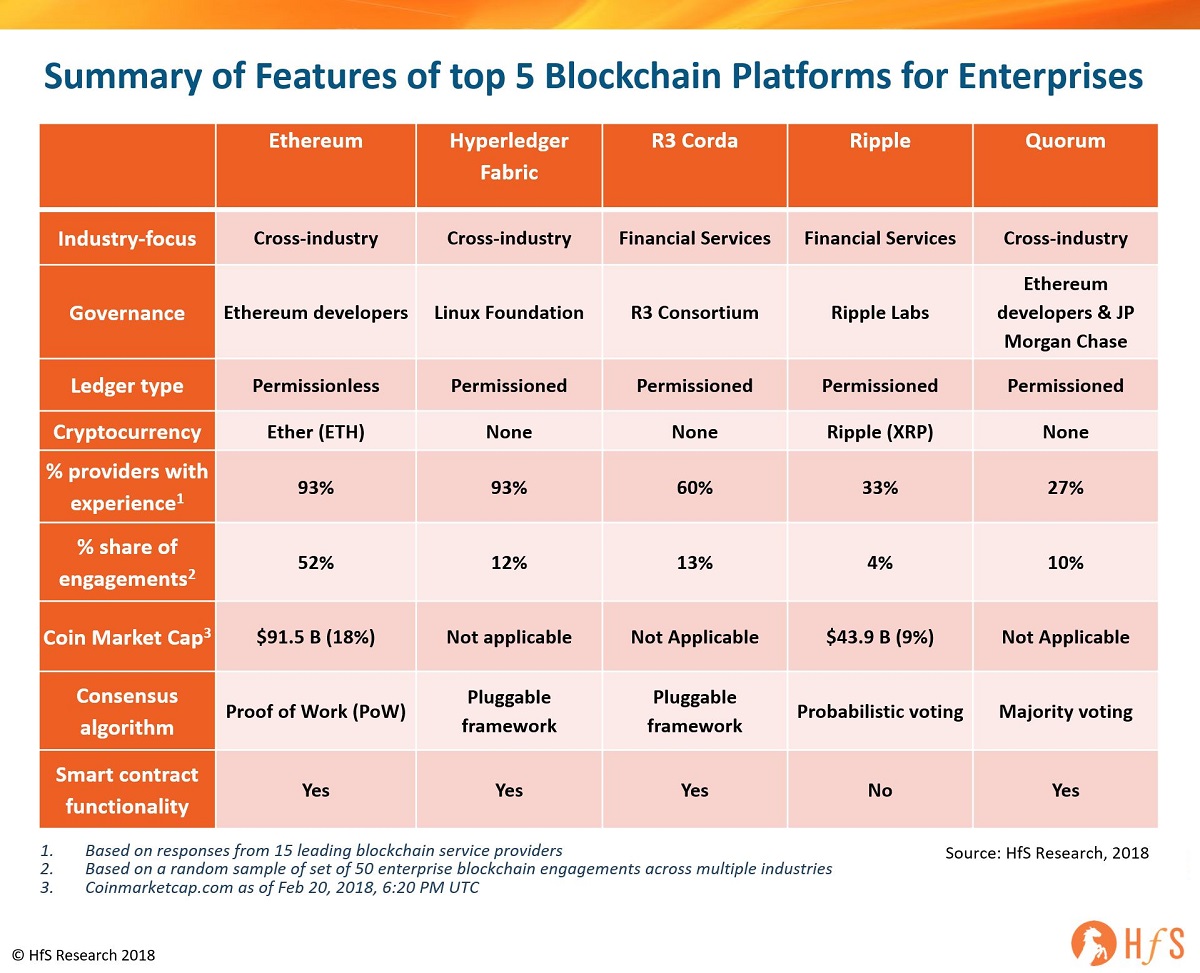
So, what exactly are the leading blockchain platforms and why should you care? At its core, these platforms are the heavyweights powering decentralized networks, enabling everything from secure transactions to smart contracts. Think of them as the digital backbone for crypto currencies and beyond. Leading ones like Ethereum and Bitcoin aren’t just buzzwords; they’re reshaping industries by offering transparency, security, and efficiency. In about 50 words: The top platforms, including Ethereum for smart contracts and Bitcoin for peer-to-peer transfers, stand out due to their scalability, community support, and real-world applications, making them essential for anyone exploring blockchain guides.
The Basics of Blockchain: Why It’s Not Just About Crypto
Picture blockchain as that reliable friend who never forgets a favor—it’s essentially a distributed ledger that records transactions across a network of computers. No single entity controls it, which is both empowering and a bit intimidating. I’ve dabbled in this myself, setting up a small Ethereum node at home, and it’s like watching a digital democracy in action. Beyond the hype of cryptocurrencies, platforms like these are infiltrating supply chains, healthcare, and even voting systems. It’s not perfect, though; issues like energy consumption in proof-of-work systems can feel like a guilty pleasure, but innovations are smoothing those edges.
What’s cool is how these platforms evolve. Take a meme that’s gone viral—it’s shared and verified instantly, much like how blockchain ensures data integrity. In everyday terms, if you’re into NFTs or DeFi, you’re already interacting with this tech. But let’s not gloss over the human side; the 2021 crypto boom showed us how quickly things can swing, with fortunes made and lost, reminding us that blockchain isn’t just code—it’s tied to real emotions and economic shifts.
Essential Knowledge for Blockchain EnthusiastsSpotting the Stars: Key Features of Top Blockchain Platforms
When you’re sifting through blockchain guides, it’s easy to get overwhelmed by the jargon. So, let’s break it down casually. What makes a platform like Ethereum shine? It’s all about smart contracts—self-executing code that automates agreements without needing a middleman. Compare that to Bitcoin, which is more straightforward, focusing on secure, peer-to-peer transactions like digital cash. Then there’s Solana, the speedy newcomer that’s all about high throughput and low fees, perfect for apps that need to scale fast.
To keep it real, I once tried building a simple DApp on Ethereum and hit speed bumps with gas fees—ouch! That’s a common gripe, but it’s what drives competition. Platforms vary in consensus mechanisms, too; proof-of-stake is greener than proof-of-work, appealing to the eco-conscious crowd. If you’re new, think of it like choosing a car: Bitcoin is the trusty sedan, Ethereum the versatile SUV, and Solana the electric sports car. Each has its quirks, but they all push the envelope on decentralization and security.
| Platform | Key Strength | Main Use Case | Potential Drawback |
|---|---|---|---|
| Bitcoin | Robust security via proof-of-work | Digital currency and value storage | High energy use and slower transactions |
| Ethereum | Smart contracts and programmability | Decentralized apps (DApps) and DeFi | Network congestion and variable fees |
| Solana | Ultra-fast speeds and low costs | High-volume trading and NFTs | Relatively newer, so less battle-tested |
This quick compare-o-rama shows how each platform carves its niche. It’s not about picking a winner; it’s about matching your needs, whether you’re a developer or just curious. And hey, with blockchain guides popping up everywhere, from Reddit threads to YouTube deep dives, you’re not alone in this journey.
Peering into the Future: Trends and Evolutions
As we wrap our heads around these platforms, it’s fun to speculate on what’s next. Layer-2 solutions like Polygon are layering on top of Ethereum to fix scalability issues, kinda like adding turbo boosters to a classic car. I’ve seen memes about “Web3” taking over, and it’s not far off—it’s about creating a more open internet. But let’s get real: regulatory hurdles and interoperability challenges could trip things up, much like how social media platforms feud over data sharing.
Setting Up a Blockchain Wallet GuideIn a cultural nod, think of blockchain as the underdog hero in a sci-fi flick, fighting centralized powers. It’s inspiring, but we need to address the digital divide; not everyone has access, which is a bummer. Still, with advancements like quantum-resistant tech on the horizon, the future feels wide open, blending tech with everyday life in ways we haven’t imagined yet.
Quick Tips for Getting Started
1Start with a reliable blockchain guide, like exploring Ethereum’s official docs to grasp the basics without diving in headfirst.
2Experiment with a testnet; it’s like practice mode for gamers, letting you tinker safely before going live.
3Join online communities—places like Discord servers for blockchain enthusiasts—to share stories and avoid common pitfalls.
Advantages of Blockchain in Voting SystemsAnd just like that, we’ve cruised through the analysis. If you’re pondering your next move in this blockchain world, maybe ask yourself: What’s one small way I can dip my toes in today? It’s all about that personal spark, turning tech curiosity into real action.
FAQ: Common Questions on Blockchain Platforms
Is Bitcoin still the best for beginners? Absolutely, if you’re focusing on simple investments. Its straightforward design makes it less intimidating, but for building apps, Ethereum might be more versatile once you get the hang of it.
How do these platforms handle security? They use cryptographic techniques and consensus mechanisms to prevent fraud, though nothing’s foolproof—always use wallets with strong security features to protect your assets.
What’s the environmental impact? It’s a concern, especially with energy-intensive models, but shifts to proof-of-stake are helping. Platforms like Ethereum are actively working on greener alternatives to balance innovation with sustainability.
Privacy Myths Surrounding Blockchain